Sheet Piling Contractors | Steel Piling Solutions

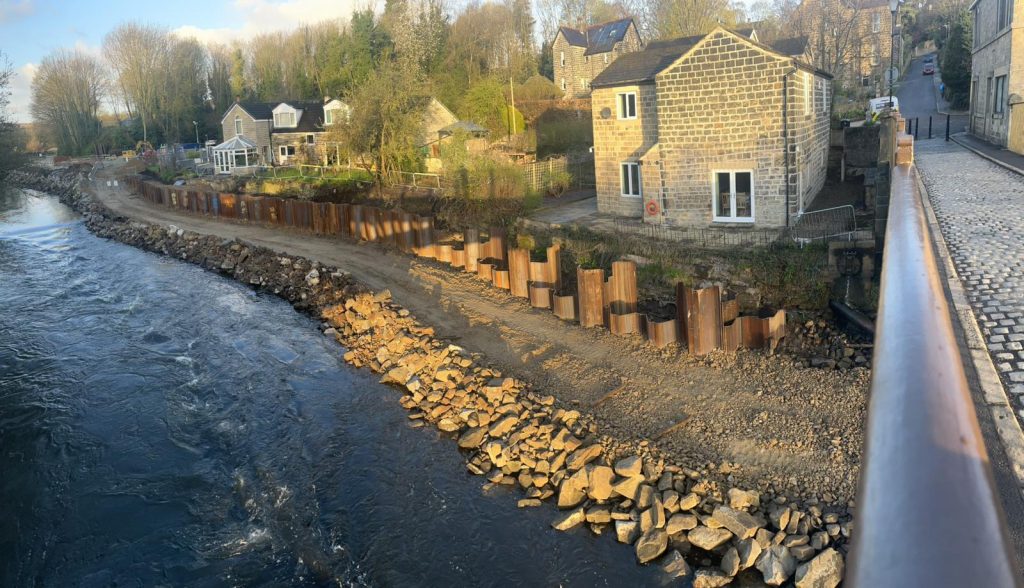
The Lifespan of Different Sheet Pile Materials
Not all sheet piles are the same. Lifespan varies by material, and each type has advantages in different project environments.
Steel Sheet Piles
Steel sheet piles remain the most widely used solution in the UK. They are strong, versatile, and suitable for both temporary and permanent works. When designed correctly, steel piles last 40–75 years in inland conditions. In aggressive marine or tidal environments, that figure can reduce without protection, but with sacrificial thickness, coatings, or cathodic protection, service life can exceed 100 years.
Vinyl or Plastic Sheet Piles
Vinyl sheet piles do not corrode and can last 50 years or more. They are lightweight and easy to handle, making them popular for landscaping, erosion control, and canal or riverbank works. However, they are not suitable for heavy structural retaining walls where high load capacity is required.
Timber Sheet Piles
Timber piles are rarely specified today except for temporary works or freshwater conditions. Treated timber may last 20–30 years in benign environments, but untreated timber degrades much faster and is not suitable for long-term or high-load applications.
Comparison Table: Lifespan of Sheet Piles
| Material | Typical Lifespan | Notes |
|---|---|---|
| Steel | 40–75 years (100+ with protection) | Most common material. Suitable for heavy-duty and permanent structures. Lifespan extended with coatings and cathodic protection. |
| Vinyl / Plastic | 50+ years | Corrosion-free. Used for light-duty applications such as landscaping, riverbanks, and erosion control. Not suitable for high loads. |
| Timber | 20–30 years (treated) | Limited modern use. Works best in freshwater. Not reliable for marine or permanent high-load applications. |

Can Sheet Piles Be Permanent?
Yes. While sheet piles are often associated with temporary applications like cofferdams or excavation support, they are also a proven permanent solution.
Permanent Applications
Flood defence walls
Retaining walls for infrastructure and highways
Basement construction
Quay walls and marine structures
For permanent works, engineers design piles with a service life of 50–120 years, using corrosion allowances and protective systems. This makes them one of the most durable and cost-effective retaining solutions available.
Do Sheet Piles Rust?
Corrosion is one of the most common concerns for steel structures. The truth is that yes, steel sheet piles do rust, but it is a slow and manageable process.
Corrosion Rates in Different Environments
Inland soils: Low corrosion rates; piles can last decades without heavy protection.
Freshwater environments: Moderate rates; coatings recommended for longer life.
Marine and tidal conditions: High rates of corrosion. Without protection, lifespan is reduced, but sacrificial thickness or cathodic protection ensures long service life.
Protection Methods
Coatings such as bitumen, epoxy, or polyurethane extend lifespan.
Sealants applied to interlocks prevent seepage and reduce corrosion at joints.
Cathodic protection (an electrical current or sacrificial anode system) is used in marine works to slow or stop corrosion.
Sacrificial thickness is designed into the steel so some corrosion can occur without affecting long-term strength.
Are Sheet Piles Watertight?
A common misconception is that sheet piles create a fully watertight barrier. In reality, sheet piles reduce water flow but are not completely watertight on their own.
Standard Interlocks
The joints or interlocks between piles naturally limit seepage, but small amounts of water can pass through.
Enhancing Watertightness
To achieve watertightness in critical applications, contractors use:
Bituminous sealants for general seepage control
Polyurethane sealants for more resilient performance
Hydrophilic compounds, which swell on contact with water, ensuring a tight seal in flood defences or basements
Correct installation and alignment are just as important as sealants in achieving water control.

Installation and Its Impact on Lifespan
The quality of installation plays a key role in how long sheet piles last. Poor installation can damage protective coatings, misalign interlocks, or cause unnecessary stress to the steel.
Driving Methods
Vibratory hammers: Fast and efficient in granular soils.
Impact hammers: Used where refusal is an issue, though care is needed to avoid overstressing piles.
Movax side-grip piling: Allows precise placement and safer handling, especially in restricted spaces.
Silent piling systems: Press-in technology ideal for vibration-sensitive or urban sites.
Risks to Avoid
Scraping or damaging coatings during installation
Over-driving piles, causing cracks or stress fractures
Poor alignment, leading to gaps in interlocks and reduced water control
Using the right rig and method for the ground conditions helps protect lifespan and performance.
Can Sheet Piles Be Reused?
Yes, but only in temporary works.
Temporary Reuse
Sheet piles are often extracted at the end of a project and reused multiple times. Provided they are not heavily corroded or damaged, they remain structurally sound. This makes them a cost-effective and sustainable option for contractors.
Permanent Works
In permanent retaining walls, basements, or flood defences, piles are not removed. Instead, they are designed to last for the full service life of the structure.
What Are the Disadvantages of Sheet Piles?
Although sheet piles are versatile and durable, they are not without limitations.
Ground Conditions
Not suitable for very hard rock without pre-augering or specialist techniques
Driving in dense gravel or cobbles may require pre-drilling
Cost Factors
Protective coatings and cathodic protection increase upfront cost
Marine works are more expensive due to higher corrosion risks
Environmental Concerns
Noise and vibration from impact or vibro driving can cause disruption in urban areas (though silent piling mitigates this issue)
Despite these challenges, sheet piling remains one of the most effective and long-lasting methods for retaining structures. You can learn more about the advantages and disadvantages of sheet piling in our previous blog.
Designing for Longevity
To ensure sheet piles last as long as possible, engineers take a range of measures at the design stage.
Engineering Best Practices
Choosing the correct steel grade for strength and durability
Applying protective coatings during manufacturing
Adding sacrificial thickness for corrosion allowance
Designing interlocks for watertightness
Including cathodic protection in aggressive marine environments
Maintenance and Inspection
Permanent sheet pile walls benefit from periodic checks of:
Exposed pile heads for corrosion or damage
Sealant condition in interlocks
Welds and connections in capped structures
Preventative maintenance adds decades to service life.
Conclusion
So, how long do sheet piles last? The answer depends on the material and environment, but steel sheet piles reliably last 40–75 years, and with protective measures can exceed 100 years in permanent works. Vinyl piles offer long life in lighter-duty applications, while timber has limited modern use.
By designing with corrosion in mind, applying the right protective systems, and ensuring expert installation, sheet pile walls can provide durable performance for decades.
Choosing the right contractor is key to achieving this. A specialist piling team will ensure the right equipment, materials, and methods are used from the outset, giving you confidence that your sheet pile wall will stand the test of time.
