Piling in Hard Ground Conditions

sheet piling

Piling in Hard Ground Conditions

Working in hard or variable ground is one of the biggest challenges for any piling contractor. Conditions can change rapidly between boreholes, and materials like dense clay, gravel bands, or buried concrete can turn a straightforward installation into a costly delay.

This guide explains how experienced piling contractors assess, prepare, and overcome difficult ground conditions using proven methods such as pre-augering, silent pressing with water lubrication, and ground testing.

Understanding Hard Ground Conditions

“Hard ground” can refer to several types of resistance encountered during sheet piling or driven piling works, including:

  • Dense clays or overconsolidated soils that resist penetration

  • Gravels and cobbles which can deflect or damage piles

  • Mixed or made ground containing brick, rubble, or concrete

  • Old foundations, slabs, or reinforced obstructions left from previous structures

These conditions can cause pile refusal, excessive wear on equipment, or misalignment of the wall. In severe cases, they can even prevent piles from reaching the designed toe level, affecting the wall’s overall performance.

Why Early Ground Investigation Matters

Before any piling begins, accurate ground investigation is essential. A comprehensive site investigation typically includes:

  • Borehole drilling and sampling to assess soil types and density

  • Cone Penetration Testing (CPT) for continuous resistance data

  • Geotechnical lab testing to determine shear strength and cohesion

  • Trial drives or test piles to verify achievable depths and identify obstructions

These tests give engineers the information needed to plan the correct piling method, estimate driving resistance, and avoid surprises on-site. Even with good data, unexpected materials can still appear — which is why flexibility in equipment and approach is critical.

Common Difficulties in Hard Ground

When conditions are tougher than expected, contractors may encounter:

  • Pile refusal before design depth

  • Pile deflection or twisting caused by uneven resistance

  • Excessive vibration or noise near sensitive structures

  • Damage to pile interlocks or tips due to contact with rock, concrete, or rebar

Each of these issues can affect the structural integrity of the retaining wall and delay the programme. The key is having multiple strategies ready to respond quickly.

Typical Challenges and Recommended Solutions

ChallengeCauseTypical Solution
Refusal before design depthDense soils or buried obstructionsPre-augering or toe modification
Excessive vibrationHard strata or compact layersSilent pressing or lubrication system
Pile misalignmentMixed or uneven groundPre-drilling, guide frames, operator control
Buried concrete or rubbleOld foundations or fillCoring, obstruction removal, re-bore
Difficult penetration in stiff clayHigh adhesionWater-assisted press-in or lubrication
Unexpected material changesVariable fill or geologyOn-site testing and adaptable equipment

Can Piles Be Driven into Rock?

In some cases, piles can be driven into rock — but it depends on the type of rock and the pile design.

  • Soft rock or weathered limestone can often be penetrated using impact or vibro hammers.

  • Harder formations such as granite or dense sandstone typically require pre-boring or socketing, where the pile is placed into a pre-drilled hole rather than driven.

  • For sheet piling, direct driving into competent rock is rarely possible. Instead, piles are driven to “refusal” against the rock surface, forming a secure embedment, or seated into a pre-cut trench.

Specialist equipment, such as rotary rigs or rock augers, may be required to achieve the design depth. Understanding the bedrock level before starting work is vital to avoid premature refusal or pile damage.

Proven Solutions for Hard Ground Piling

1. Pre-augering

Pre-augering is one of the most effective ways to prepare for sheet piling in dense or obstructed ground. By drilling a narrow bore along the pile line before installation, resistance is reduced without removing too much material.

This helps:

  • Break through cobbles and dense layers

  • Minimise pile deflection

  • Prevent refusal during vibro or silent pressing

It’s especially useful on brownfield sites or mixed fill where conditions are unpredictable.

2. Silent Pressing with Water Lubrication

In vibration-sensitive areas or when soils are extremely stiff, silent press-in systems such as the Giken can use water jetting or lubrication to reduce skin friction during installation.

A controlled flow of water is introduced at the pile toe, softening the soil immediately ahead of the pile and easing penetration.

Benefits include:

  • Minimal vibration and noise

  • Precise installation even in firm clay or dense sand

  • Maintains alignment in restricted or urban sites

3. Pile Toe or Tip Modification

When working in abrasive or high-resistance soils, using reinforced or modified pile tips can make a significant difference. Options include:

  • Welded shoes or drive tips for impact protection

  • Specialised interlocks for improved penetration and watertightness

  • Coatings or sacrificial layers to protect against abrasion

Selecting the right tip type depends on the expected strata and the installation method used.

4. Specialist Equipment and Adaptable Rigs

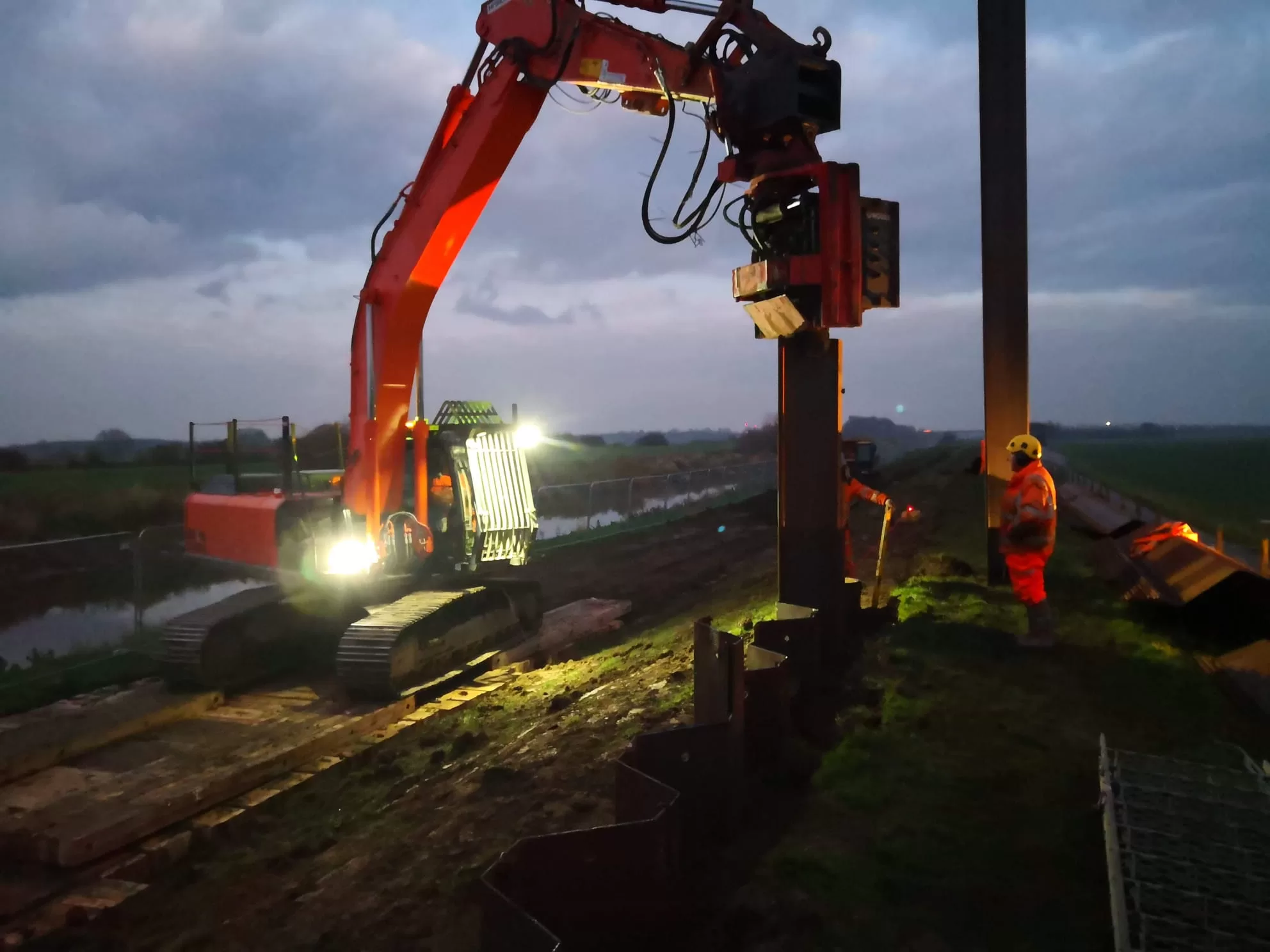
Modern piling rigs equipped with Movax, vibratory, or rotary attachments allow contractors to switch methods quickly if conditions change. For example, start with vibro driving for speed, then switch to pre-augering or press-in for harder sections.

This adaptability keeps progress steady and avoids downtime while awaiting alternative machinery.

5. On-site Testing and Real-time Adjustments

Even with detailed investigation, conditions can vary unexpectedly. Skilled operators will monitor:

  • Penetration rates and resistance

  • Equipment vibration and power output

  • Alignment accuracy

If piles begin to refuse, stop and reassess — forcing a pile can cause damage or misalignment. A short trial bore or adjustment to the installation sequence can often resolve the issue without major delays.

What Are Optimal Ground Conditions for Piling?

Optimal ground conditions depend on the type of pile being used, but in general:

  • Medium-dense sands or firm clays provide consistent resistance and good bearing capacity.

  • Soft or loose soils may require longer piles or additional stabilisation.

  • Very hard ground or rock demands pre-drilling or specialist installation techniques.

In practice, very few sites offer “perfect” conditions. The key is choosing the right installation method for the material encountered — something specialist sheet piling contractors can assess during early site testing.

(“What Are Optimal Ground Conditions for Piling?”)

Managing Unexpected Obstructions

Buried concrete, old foundations, and rubble are common in redevelopment and infrastructure projects. When encountered, the following steps usually apply:

  1. Stop and inspect — never continue driving against a solid obstruction

  2. Clear or core out the obstruction using rotary or percussive tools

  3. Reinstate the bore with backfill or grout if needed

  4. Resume piling using the appropriate method (pre-auger, press, or vibro)

Experienced contractors plan for this possibility and often have alternative plant available on standby.

Why Choosing the Right Contractor Matters

Hard ground conditions demand specialist knowledge, in-house equipment, and the flexibility to adapt quickly. A general contractor may not have the plant or experience to handle such complexity safely and efficiently.

A specialist sheet piling contractor like Steel Piling Solutions can:

  • Conduct site-specific ground assessments

  • Deploy pre-augering, silent piling, or vibro methods as required

  • Provide experienced operatives who recognise early signs of refusal or deflection

  • Deliver solutions nationwide with minimal disruption

Conclusion

Hard ground doesn’t have to mean hard work. With the right preparation, equipment, and expertise, piling can be carried out safely, efficiently, and to specification.

By combining early ground investigation with flexible installation methods such as pre-augering and silent pressing, contractors can overcome the toughest conditions without compromising accuracy or safety.

For guidance or to discuss your upcoming project, contact Steel Piling Solutions — experienced piling specialists operating across the UK and Ireland.
How Long Do Sheet Piles Last?

How Long Do Sheet Piles Last?

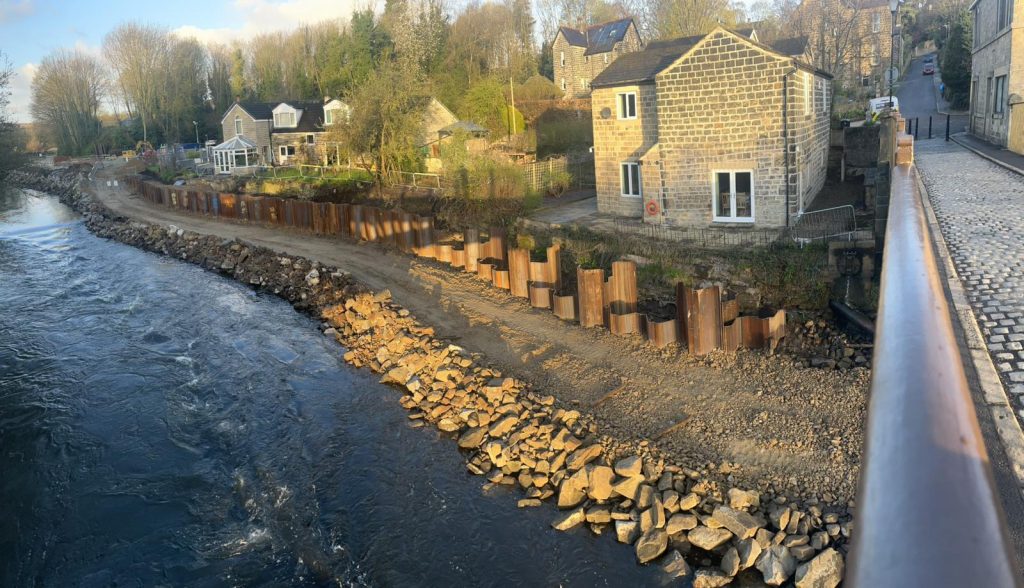
Sheet piles are designed to provide long-term strength and stability, and in most projects, properly installed steel sheet piles can last 40–75 years. With the right design, coatings, and protection, that lifespan can extend well beyond 100 years in permanent works such as flood defences or retaining walls. Other materials, such as vinyl and timber, have different lifespans depending on where they are used.

Understanding the typical service life of sheet piles helps project managers and engineers make the right choice for both temporary and permanent works.

The Lifespan of Different Sheet Pile Materials

Not all sheet piles are the same. Lifespan varies by material, and each type has advantages in different project environments.

Steel Sheet Piles

Steel sheet piles remain the most widely used solution in the UK. They are strong, versatile, and suitable for both temporary and permanent works. When designed correctly, steel piles last 40–75 years in inland conditions. In aggressive marine or tidal environments, that figure can reduce without protection, but with sacrificial thickness, coatings, or cathodic protection, service life can exceed 100 years.

Vinyl or Plastic Sheet Piles

Vinyl sheet piles do not corrode and can last 50 years or more. They are lightweight and easy to handle, making them popular for landscaping, erosion control, and canal or riverbank works. However, they are not suitable for heavy structural retaining walls where high load capacity is required.

Timber Sheet Piles

Timber piles are rarely specified today except for temporary works or freshwater conditions. Treated timber may last 20–30 years in benign environments, but untreated timber degrades much faster and is not suitable for long-term or high-load applications.

Comparison Table: Lifespan of Sheet Piles

MaterialTypical LifespanNotes
Steel40–75 years (100+ with protection)Most common material. Suitable for heavy-duty and permanent structures. Lifespan extended with coatings and cathodic protection.
Vinyl / Plastic50+ yearsCorrosion-free. Used for light-duty applications such as landscaping, riverbanks, and erosion control. Not suitable for high loads.
Timber20–30 years (treated)Limited modern use. Works best in freshwater. Not reliable for marine or permanent high-load applications.

Flood Defence in Shebdon Canal

Can Sheet Piles Be Permanent?

Yes. While sheet piles are often associated with temporary applications like cofferdams or excavation support, they are also a proven permanent solution.

Permanent Applications

  • Flood defence walls

  • Retaining walls for infrastructure and highways

  • Basement construction

  • Quay walls and marine structures

For permanent works, engineers design piles with a service life of 50–120 years, using corrosion allowances and protective systems. This makes them one of the most durable and cost-effective retaining solutions available.

Do Sheet Piles Rust?

Corrosion is one of the most common concerns for steel structures. The truth is that yes, steel sheet piles do rust, but it is a slow and manageable process.

Corrosion Rates in Different Environments

  • Inland soils: Low corrosion rates; piles can last decades without heavy protection.

  • Freshwater environments: Moderate rates; coatings recommended for longer life.

  • Marine and tidal conditions: High rates of corrosion. Without protection, lifespan is reduced, but sacrificial thickness or cathodic protection ensures long service life.

Protection Methods

  • Coatings such as bitumen, epoxy, or polyurethane extend lifespan.

  • Sealants applied to interlocks prevent seepage and reduce corrosion at joints.

  • Cathodic protection (an electrical current or sacrificial anode system) is used in marine works to slow or stop corrosion.

  • Sacrificial thickness is designed into the steel so some corrosion can occur without affecting long-term strength.

Are Sheet Piles Watertight?

A common misconception is that sheet piles create a fully watertight barrier. In reality, sheet piles reduce water flow but are not completely watertight on their own.

Standard Interlocks

The joints or interlocks between piles naturally limit seepage, but small amounts of water can pass through.

Enhancing Watertightness

To achieve watertightness in critical applications, contractors use:

  • Bituminous sealants for general seepage control

  • Polyurethane sealants for more resilient performance

  • Hydrophilic compounds, which swell on contact with water, ensuring a tight seal in flood defences or basements

Correct installation and alignment are just as important as sealants in achieving water control.

Steel sheet pile retaining wall constructed along M25 motorway for slope stabilisation

Installation and Its Impact on Lifespan

The quality of installation plays a key role in how long sheet piles last. Poor installation can damage protective coatings, misalign interlocks, or cause unnecessary stress to the steel.

Driving Methods

  • Vibratory hammers: Fast and efficient in granular soils.

  • Impact hammers: Used where refusal is an issue, though care is needed to avoid overstressing piles.

  • Movax side-grip piling: Allows precise placement and safer handling, especially in restricted spaces.

  • Silent piling systems: Press-in technology ideal for vibration-sensitive or urban sites.

Risks to Avoid

  • Scraping or damaging coatings during installation

  • Over-driving piles, causing cracks or stress fractures

  • Poor alignment, leading to gaps in interlocks and reduced water control

Using the right rig and method for the ground conditions helps protect lifespan and performance.

Can Sheet Piles Be Reused?

Yes, but only in temporary works.

Temporary Reuse

Sheet piles are often extracted at the end of a project and reused multiple times. Provided they are not heavily corroded or damaged, they remain structurally sound. This makes them a cost-effective and sustainable option for contractors.

Permanent Works

In permanent retaining walls, basements, or flood defences, piles are not removed. Instead, they are designed to last for the full service life of the structure.

What Are the Disadvantages of Sheet Piles?

Although sheet piles are versatile and durable, they are not without limitations.

Ground Conditions

  • Not suitable for very hard rock without pre-augering or specialist techniques

  • Driving in dense gravel or cobbles may require pre-drilling

Cost Factors

  • Protective coatings and cathodic protection increase upfront cost

  • Marine works are more expensive due to higher corrosion risks

Environmental Concerns

  • Noise and vibration from impact or vibro driving can cause disruption in urban areas (though silent piling mitigates this issue)

Despite these challenges, sheet piling remains one of the most effective and long-lasting methods for retaining structures. You can learn more about the advantages and disadvantages of sheet piling in our previous blog. 

Designing for Longevity

To ensure sheet piles last as long as possible, engineers take a range of measures at the design stage.

Engineering Best Practices

  • Choosing the correct steel grade for strength and durability

  • Applying protective coatings during manufacturing

  • Adding sacrificial thickness for corrosion allowance

  • Designing interlocks for watertightness

  • Including cathodic protection in aggressive marine environments

Maintenance and Inspection

Permanent sheet pile walls benefit from periodic checks of:

  • Exposed pile heads for corrosion or damage

  • Sealant condition in interlocks

  • Welds and connections in capped structures

Preventative maintenance adds decades to service life.

Conclusion

So, how long do sheet piles last? The answer depends on the material and environment, but steel sheet piles reliably last 40–75 years, and with protective measures can exceed 100 years in permanent works. Vinyl piles offer long life in lighter-duty applications, while timber has limited modern use.

By designing with corrosion in mind, applying the right protective systems, and ensuring expert installation, sheet pile walls can provide durable performance for decades.

Choosing the right contractor is key to achieving this. A specialist piling team will ensure the right equipment, materials, and methods are used from the outset, giving you confidence that your sheet pile wall will stand the test of time.

📩 admin@steelpilingsolutions.com

What Are the Advantages of Sheet Piles?

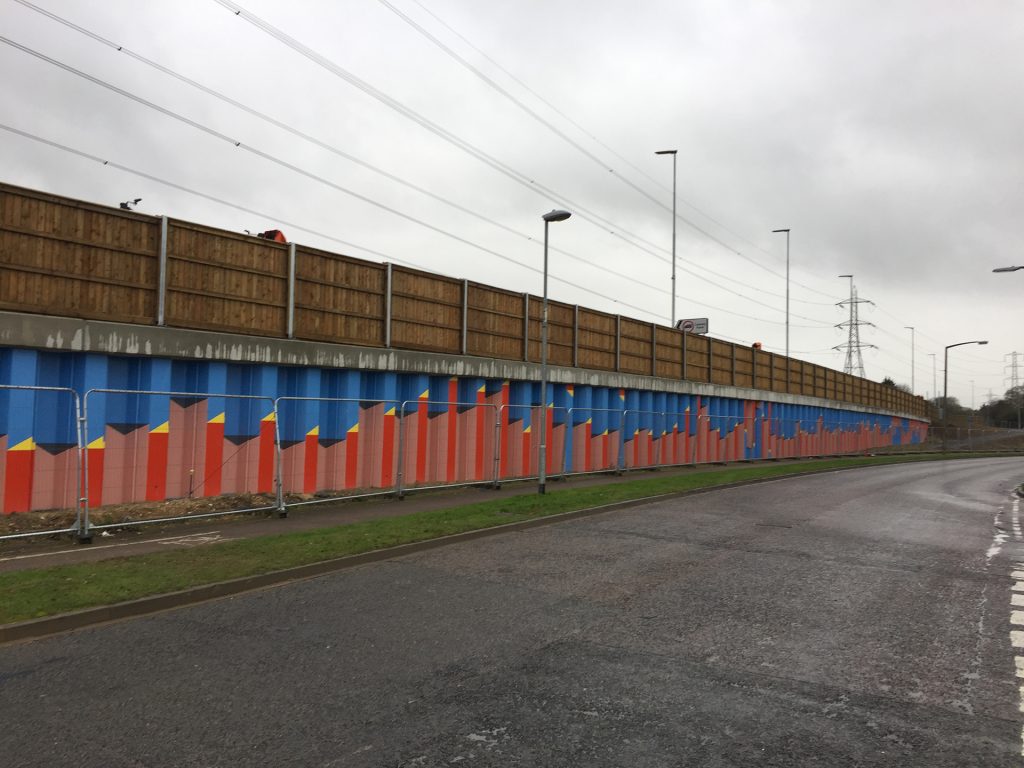
Painted Steel Sheet Piles along road

What Are the Advantages of Sheet Piles?

Sheet piles are one of the most widely used retaining systems in modern construction. They provide a practical and effective way to create strong, watertight, and space-efficient retaining walls in civil engineering and infrastructure projects. Whether on land or near water, sheet piles offer many advantages, but like all solutions, they also come with limitations.

This guide explains the benefits of sheet piles, the situations where they are most effective, the different types available, and the factors to consider before choosing them. We will also cover potential disadvantages to provide a balanced view.

What Are Sheet Piles?

Sheet piles are long, interlocking sections of steel, precast concrete, or sometimes timber that are driven vertically into the ground to form continuous barriers. They are typically used for retaining walls, flood defences, cofferdams, and excavation support.

Advantages of Sheet Piles

1. High Strength and Durability

One of the main advantages of sheet piles is their ability to withstand high loads and pressures, especially in deep excavations and marine environments. Steel sheet piles, in particular, are designed for longevity and resilience.

  • Capable of handling heavy earth and water pressures

  • Resistant to bending and shearing forces

  • Steel piles can last decades with proper protection

2. Speed and Ease of Installation

Sheet piles can be installed quickly using vibratory hammers, impact hammers, or pressing rigs. This makes them ideal for projects that require rapid mobilisation.

  • Reduced construction time compared with cast in situ retaining systems

  • Can be installed in a variety of soil conditions

  • Minimal excavation needed, saving space on site

3. Reusability and Sustainability

A significant advantage is that sheet piles can be extracted and reused on other projects, making them a cost-effective and sustainable option.

  • Steel sheet piles are 100% recyclable

  • Can be reused multiple times without losing strength

  • Lower overall lifecycle costs compared with concrete walls

4. Effective in Waterlogged Conditions

Sheet piles are commonly used in marine construction, flood defence, and areas with a high water table. Their interlocking design provides strong resistance to water ingress.

  • Suitable for cofferdams and riverbank stabilisation

  • Used in quay walls, harbour works, and canals

  • Reduces the need for dewatering during excavation

5. Space Efficiency in Urban Areas

In cities and restricted sites, sheet piles allow vertical excavation without taking up valuable space.

  • Minimal footprint compared with battered slopes or gravity walls

  • Useful for basements, underground car parks, and cut-and-cover tunnels

  • Provides maximum usable space within tight boundaries

6. Versatility in Application

Sheet piles are used across a wide range of sectors and project types.

Typical Applications Include:

  • Basement and underground car park construction

  • Road and rail embankments

  • Flood protection and coastal defence

  • Riverbank stabilisation

  • Bridge abutments

  • Port and harbour works

Types of Sheet Piles

There are different materials and profiles to suit varying site conditions.

TypeDescriptionBest For
SteelMost common, strong interlocks, high durabilityDeep excavations, marine projects, long-term structures
ConcretePrecast or prestressed, heavier than steelPermanent retaining walls, aggressive environments
TimberEconomical but less durableTemporary works, small-scale projects
Vinyl/CompositeLightweight, corrosion resistantWaterfront landscaping, light retaining needs

Disadvantages of Sheet Piles

While sheet piles are highly effective, they are not suitable for every situation.

1. Noise and Vibration During Installation

  • Vibratory and impact driving methods can cause disturbance to nearby residents or structures

  • Press-in techniques reduce this issue but are slower and more costly

2. Difficulties in Very Hard Ground

  • Rock or dense gravels may prevent sheet piles from being driven effectively

  • Pre-augering or pre-drilling may be required, increasing costs

3. Corrosion Risks

  • Steel sheet piles are prone to corrosion if not properly coated or protected

  • Cathodic protection and protective coatings are often necessary in marine environments

4. Higher Upfront Costs for Steel

  • While reusable, initial purchase costs for steel sheet piles can be significant compared with mass concrete

Advantages vs Disadvantages of Sheet Piles

AdvantagesDisadvantages
High strength and durability, especially in deep excavations and marine environmentsInstallation can be noisy and cause vibration, which may disturb nearby structures or residents
Quick installation using vibratory, impact, or press-in rigsNot suitable for very dense soils, boulders, or rock without pre-drilling
Reusable and recyclable, offering long-term cost savingsSteel piles are at risk of corrosion in aggressive environments if not protected
Effective in waterlogged and marine conditions due to watertight interlocksHigher initial cost for steel compared with some alternatives
Minimal site footprint, ideal for urban and confined sitesRequires specialist equipment and skilled operators
Versatile applications across temporary and permanent worksPress-in installation (low vibration) is slower and more expensive
Reduces need for excavation support and dewateringLong-term aesthetics may be less desirable compared with concrete walls

When to Consider Sheet Piles

Sheet piles are best considered when:

  • The project is close to water or in waterlogged ground

  • Excavation depth is large and stability is critical

  • Space is limited in urban or confined areas

  • Temporary works require reusable solutions

  • Speed of construction is a priority

When Sheet Piles May Not Be Suitable

Sheet piles may not be the right choice if:

  • The ground is too dense or rocky to allow installation

  • Noise and vibration restrictions prevent driving methods

  • Long-term aesthetics are a key concern (concrete walls may be preferred)

  • Costs outweigh the benefits for very small-scale projects

Comparison: Sheet Piles vs Alternative Retaining Methods

FactorSheet PilesConcrete Retaining WallsGravity Slopes
Installation SpeedFastSlowerModerate
ReusabilityHighLowN/A
Water ResistanceExcellentModeratePoor
Space EfficiencyHighModerateLow
Suitability for Hard GroundLimitedGoodGood

Conclusion

Sheet piles provide an effective, durable, and versatile solution for retaining walls, especially in waterlogged areas, deep excavations, and urban environments. Their advantages include high strength, rapid installation, sustainability through reusability, and excellent performance in marine conditions.

However, they are not always the right option. Noise, vibration, corrosion, and difficulties in hard ground can present challenges. Choosing sheet piles should always be based on site-specific factors and project requirements.

For construction professionals, understanding both the advantages and the limitations of sheet piles is essential to making the right choice for long-term performance and value.

How to Choose the Right Sheet Piling Contractor for Your Project

Giken Supercrush installing Sheet Piles

How to Choose the Right Sheet Piling Contractor for Your Project

Selecting the right sheet piling contractor can make the difference between a smooth, efficient project and one riddled with delays, cost overruns, or performance issues. With multiple companies offering piling services across the UK, construction professionals need to know what to look for — and what to avoid — when appointing a specialist.

This guide sets out the key factors to consider when choosing a sheet piling contractor, from their expertise and equipment to their ability to deliver nationwide.

Specialist vs Generalist

One of the first distinctions is whether you are dealing with a specialist sheet piling contractor or a general construction company that subcontracts piling works.

  • Specialist contractors focus exclusively on sheet piling and related temporary works. They own and operate their own rigs, employ experienced operatives, and can adapt quickly to site conditions.

  • General contractors may list piling among their services but often outsource the work. This can create additional layers of cost, reduce accountability, and complicate communication.

Quick Comparison

FactorSpecialist Sheet Piling ContractorGeneral Contractor / Subcontracting
Core expertiseDedicated to sheet pilingGeneral works, piling outsourced
EquipmentOwns and operates rigsOften reliant on hired plant
AccountabilityDirect responsibilityShared or unclear
FlexibilityCan adapt methods on-siteLimited by subcontract availability
Cost controlTransparent, in-house ratesExtra overheads and mark-ups

Experience and Track Record

Every site is different, and sheet piling often involves working in demanding conditions such as:

  • Riverbanks and flood defence schemes

  • Rail and highway embankments

  • Urban brownfield sites with buried obstructions

  • Tight-access residential or commercial developments

The right contractor should be able to demonstrate relevant case studies and a portfolio of projects across these environments. A proven track record is your best assurance that they can manage unexpected challenges without compromising quality or programme.

Equipment and Methods

Modern sheet piling requires flexible installation techniques. Common methods include:

  • Vibratory hammers – for rapid and efficient driving

  • Silent piling (Giken Press-in) – where vibration must be minimised

  • Movax systems – for versatile, smaller or restricted-access sites

  • Pre-augering equipment – to tackle dense soils and buried obstructions

Key question: Does the contractor own and maintain their equipment, or are they dependent on plant hire?

  • In-house machinery means better availability, more control over costs, and reduced programme risk.

  • Hired equipment may introduce delays if availability is limited.

Nationwide Capability

If your business delivers projects in different regions, nationwide coverage is a major advantage. Contractors with a national presence can:

  • Mobilise quickly across multiple areas

  • Maintain consistent standards and crews

  • Provide reliable plant availability wherever the project is located

A local-only contractor may be strong in their region but struggle to support projects further afield.


Safety, Standards, and Accreditation

Safety and compliance are non-negotiable. A credible sheet piling contractor should hold recognised accreditations such as:

  • CHAS or Constructionline

  • RISQS for rail-related works

  • ISO certifications (9001, 14001, 45001)

Also assess:

  • Temporary works design capability

  • Quality of RAMS (Risk Assessments & Method Statements)

  • Directly employed, trained operatives versus agency labour

Strong accreditation is a sign of robust systems and a contractor that takes responsibility seriously.

Communication and Collaboration

Even with the best planning, site conditions can change. A reliable sheet piling contractor will:

  • Provide clear updates and progress reporting

  • Work closely with engineers and site managers

  • Offer solutions rather than delays when challenges arise

Effective communication ensures projects run to programme and avoid unnecessary disputes.


Red Flags to Watch Out For

When assessing potential contractors, be cautious if you encounter:

  • Heavy reliance on subcontractors

  • No clear evidence of in-house equipment

  • Generic or “one-size-fits-all” method statements

  • Poor safety record or missing accreditations

  • Quotes far below market rate — often masking hidden costs or inexperience


Making the Right Choice

Choosing the right sheet piling contractor comes down to balancing capability, accountability, and trust. The best contractor is one who:

  • Specialises in sheet piling as a core service

  • Owns and operates their own rigs

  • Demonstrates a proven track record across multiple sectors

  • Works to accredited safety and quality standards

  • Can deliver nationwide with reliable mobilisation

At Steel Piling Solutions, we’re expert sheet piling contractors who have been delivering sheet piling projects across the UK and Ireland for over 30 years. With specialist equipment, directly employed operatives, and a reputation for precision and reliability, we provide the assurance construction professionals need on complex projects.

Sheet Piling UK: The Complete Guide

Sheet Piling UK Guide

Sheet piling is one of the most widely used retaining wall solutions in the UK. From flood defences and marine structures to highways and rail embankments, it provides a fast, durable and cost-effective way of supporting ground and water.

This guide has been written for construction professionals who need clear, technical insight into sheet piling – not surface-level definitions. It covers the fundamentals, design considerations, installation methods, and UK-specific applications, as well as the challenges and innovations shaping the industry.

By the end, you’ll have a complete reference on how sheet piling works in practice, the environments it suits best, and the factors that drive cost and performance on UK projects.

2. What is Sheet Piling?

Sheet piling is a method of forming a retaining wall by driving prefabricated sections (usually steel) into the ground to a required depth. The piles interlock to create a continuous wall that resists soil and water pressures, providing both temporary and permanent support. Learn in depth about what is sheet piling in one of our previous blogs.

2.1 Temporary vs Permanent Sheet Piling

  • Temporary works: Sheet piles are commonly used for cofferdams, trench support, and excavation works. Once the structure is complete, the piles can be extracted and reused. Read our temporary sheet piling guide to learn more.

  • Permanent works: In flood defence, basements, quaysides, and rail or highway embankments, sheet piles are left in place as a long-term structural element.

2.2 Advantages of Sheet Piling

  • Rapid installation compared to bored or cast-in-situ walls

  • Minimal site footprint, ideal for constrained urban or rail projects

  • Capable of high load resistance when driven to depth

  • Reusable and recyclable, reducing overall environmental impact

2.3 Alternatives to Sheet Piling

While sheet piling is versatile, it competes with other retaining systems depending on site conditions:

Retaining MethodKey AdvantagesLimitations in UK ContextTypical Use Cases
Sheet PilingFast, reusable, high strengthNoise/vibration in sensitive areasMarine, rail, flood defence
King Post WallsCost-effective, flexible designLower water cut-off, not fully continuousBasements, temporary works
Contiguous Bored PilesVibration-free, suited to urban sitesSlower, more expensive, larger footprintDeep basements, city centre projects

3. Sheet Piling Methods & Techniques

The method chosen to install sheet piles is dictated by ground conditions, environmental constraints, access, and project requirements. In the UK, the main techniques are vibratory driving, impact driving, silent pressing, and excavator-mounted systems such as Movax. Pre-augering and pre-drilling may also be used to assist installation.


Vibro Hammer Installation

3.1 Vibratory Driving

  • Overview: The most common method, using a vibro hammer to oscillate the pile vertically until it penetrates the ground to the required depth.

  • Applications: Flood defences, highways, marine works, bulk earth retention.

  • Advantages:

    • Fast installation rates

    • Suitable for long linear walls

    • Lower impact forces compared to traditional impact hammers

  • Limitations:

    • Vibration can be an issue near sensitive structures or services Less effective in dense gravels or hard strata

Hammer and crane, driving sheet piles

3.2 Impact Driving

  • Overview: Uses a hydraulic or diesel hammer to deliver repeated blows to the pile head, driving it through dense soils or obstructions.

  • Applications: When refusal is reached with vibratory driving or when piles must penetrate very stiff strata.

  • Advantages:

    • Ensures piles reach design depth even in difficult ground

    • Provides high bearing capacity for heavily loaded structures

  • Limitations:

    • Higher noise and vibration levels

    • Often requires restrictions in urban or rail environments

Silent Piler on Sheet Piles

3.3 Silent Pressing (Giken)

  • Overview: Uses hydraulic jacks to “press” piles into the ground, clamping to previously installed piles as reaction.

  • Applications: Urban and rail environments, sites with vibration or noise restrictions, sensitive heritage areas.

  • Advantages:

    • Vibration-free, extremely low noise

    • High precision in alignment and depth

    • Allows work adjacent to live railways or existing structures

  • Limitations:

    • Slower than vibratory methods

    • Requires stable reaction piles and suitable working platform


3.4 Movax / Excavator-Mounted Systems

  • Overview: Side-grip vibratory hammers mounted on an excavator, controlled with real-time instrumentation.

  • Applications: Tight-access sites, riverbanks, flood defence, highways and temporary works.

  • Benefits of Movax Piling:

    • Highly flexible, can operate in areas unsuitable for larger rigs

    • Fast mobilisation and set-up

    • Reduced plant footprint

  • Limitations:

    • Generally used for shorter wall lengths compared to full rig systems

    • Operator skill critical to achieving tolerances

Pre Augering for Sheet Piles


3.5 Pre-Auger/Pre-Drilling Assistance

  • What is Pre Augering? Drilling a pilot hole ahead of pile installation to ease penetration in dense ground or reduce vibration near sensitive assets.

  • Applications: Urban sites, rail embankments, mixed ground conditions with obstructions.

  • Advantages:

    • Prevents refusal

    • Reduces pile damage and misalignment

    • Enables vibration-free systems to operate effectively

  • Limitations:

    • Adds additional process step

    • Requires survey and strict depth control to maintain wall integrity


📊 Method Selection in the UK

MethodBest Suited ToRestrictions / Considerations
Vibratory DrivingLarge-scale flood/rail/marine worksLimited near vibration-sensitive assets
Impact DrivingDense ground, stiff clays, obstructionsNoise and vibration management essential
Silent Pressing (Giken)Urban sites, rail, heritage areasSlower, requires reaction piles
Movax (Excavator-Mounted)Restricted access, flood defence, temporary worksLimited for very long walls
Pre-Auger/Pre-DrillingObstructed ground, vibration-sensitive areasAdds cost and programme time

4. Common Applications in the UK

Sheet piling is a versatile solution across UK infrastructure. Its value lies in being fast to install, highly adaptable, and capable of handling both temporary and permanent demands.

Flood Defence and Marine Works

Coastal defence is one of the most important uses of sheet piling in the UK. Steel piles provide a watertight barrier and resist constant wave and tidal pressures. Typical applications include:

  • Quay walls, jetties and harbour structures

  • Flood embankment reinforcement

  • Riverbank and canal stabilisation

Durability is key in marine settings. Steel piles can be coated or fitted with cathodic protection to extend their service life against saltwater and abrasion.

Highways and Rail Infrastructure

On transport projects, sheet piles provide immediate retention without needing large excavation footprints. They are widely used for:

  • Embankment stabilisation

  • Road widening and cuttings

  • Rail infrastructure where possessions are limited

In rail environments, vibration-free methods such as Giken pressing are often specified to avoid disruption to live lines and adjacent assets. The speed of installation compared to bored solutions is a major advantage when programmes are tight.

Basements and Urban Excavations

In constrained city-centre projects, sheet piles are favoured over bulkier retaining options. They provide continuous support and can be combined with props, anchors or struts to accommodate deeper excavations.

  • Suitable for permanent basement walls or temporary retention

  • Occupies less site space than contiguous piles.

  • Option to extract and reuse piles for sustainability

Cofferdams and Temporary Works

Cofferdams remain one of the classic uses for sheet piles. Interlocked sections are driven to form an enclosed box or cell which can be pumped dry, creating a safe working area in waterlogged or tidal ground.

  • Bridge pier foundations

  • Culvert and outfall works

  • Marine and harbour repairs

The ability to dismantle and reuse sheet piles makes cofferdams cost-effective for contractors managing repeat temporary works.

Industrial and Energy Projects

Large industrial schemes frequently use sheet piles for retaining walls, cut-off barriers, and foundations. Power stations, chemical plants, and ports often demand rapid programmes and high reliability, making sheet piling the preferred choice.

6. Challenges and Solutions in Sheet Piling

While sheet piling offers speed and versatility, successful delivery depends on anticipating and managing common challenges. Across UK projects, the most critical issues tend to be vibration control, restricted access, working in flood defence environments, and building in urban areas.

Urban Works

Installing sheet piles in city centres often brings restrictions on noise, vibration and working hours. Sensitive assets such as heritage buildings, utilities, and transport links can’t be compromised.

  • Challenge: High risk of disturbance to surrounding structures.

  • Solution: Use silent pressing (Giken) or Movax systems to reduce impact. Pre-augering can also ease pile penetration while minimising vibration.

Flood Defence Environments

Coastal and river works demand more than structural strength – the piles must also resist constant exposure to water and tidal forces.

  • Challenge: Durability in aggressive environments and the need to work within tidal windows.

  • Solution: Use coated or cathodically protected steel, supported by robust planning for access and safety. Cofferdams are often required to create dry working areas.

Restricted Access Sites

Many UK sites, particularly in rail or highways, simply don’t have space for large rigs or multiple pieces of plant.

  • Challenge: Delivering full-scale sheet piling works where site footprint is limited.

  • Solution: Excavator-mounted Movax systems provide flexibility, allowing efficient installation without the footprint of a leader rig. Careful sequencing and plant coordination are essential.

Vibration Management

Ground vibration is often the deciding factor for whether a method is viable. Close-by rail infrastructure, live utilities and built-up areas can make standard vibro or impact driving unsuitable.

  • Challenge: Preventing damage while still achieving design depth.

  • Solution: Silent pressing techniques and pre-drilling to reduce resistance. Vibration monitoring can be built into the methodology to ensure compliance.

By understanding these challenges and applying the right method, sheet piling remains one of the most practical solutions for retaining walls and flood defence across the UK.

7. Selecting the Right Contractor in the UK

Choosing a contractor for sheet piling is about more than availability of plant. The success of a retaining wall, cofferdam or flood defence scheme depends on a team that understands ground conditions, methodology, and the site-specific risks.

A reliable contractor will:

  • Provide a clear methodology statement tailored to the site

  • Offer in-house operators with specialist tickets and decades of experience

  • Maintain a fleet that covers multiple installation methods (Movax, Giken, vibro, pre-auger)

  • Demonstrate a track record across infrastructure, marine, flood and rail projects

At Steel Piling Solutions, our expertise comes from over three decades of focused experience in sheet piling. We operate across the UK and Ireland, delivering schemes from flood embankments to rail retaining walls. Our approach is built around safety, accuracy and programme certainty, backed by a fleet of specialist rigs and excavator-mounted systems.

Whether it’s urban works, tidal defence, or restricted-access piling, SPS provides the combination of equipment and expertise to ensure projects are completed on time, on budget, and to the highest standard.

8. Conclusion

Sheet piling remains one of the most reliable and widely used retaining systems in the UK. Its speed of installation, adaptability to different ground conditions, and proven long-term performance make it essential across flood defence, marine works, transport infrastructure, and urban development.

The choice of method — whether vibro, silent pressing, Movax or pre-augering — depends on project-specific challenges, from vibration control in city centres to durability on tidal works. Success ultimately comes down to using the right approach for the environment at hand, delivered by an experienced contractor with the equipment and knowledge to execute it safely and efficiently.

At Steel Piling Solutions, we’ve built our reputation on exactly that. With decades of specialist experience and a modern fleet, we provide sheet piling services that meet the demands of UK infrastructure today while preparing for the challenges of tomorrow.

What is Pre Augering?

WhatsApp Image 2024-07-22 at 19.29.16_9a742ca0

What is Pre Augering?

Table of Contents

What is Pre-augering?

Pre-augering is a ground preparation method used in sheet piling where an auger is drilled into the soil before installing the piles. The aim is not to excavate but to loosen dense or obstructive material that would otherwise increase resistance or cause pile deflection.

In practice, this allows the piles to be driven or pressed more cleanly, avoiding excessive stresses on the pile and equipment. It’s especially useful in urban environments, railway embankments, or sites where vibration and noise must be minimised.

At Steel Piling Solutions, we often combine pre-augering with low-vibration methods such as silent pressing or Movax systems—helping us maintain accuracy and programme certainty, even in challenging ground conditions.

Pre Augering for Sheet Piles

Why Pre-augering is Used in Sheet Piling

Sheet piles are typically installed using vibro hammers, impact driving, or silent pressing. But these methods can quickly meet their match when ground conditions include:

  • Stiff or over consolidated clays

  • Dense sands, gravels, or cobbles

  • Historic fill, buried obstructions, or reinforced concrete

  • Zones with unpredictable layers and high refusal risk

Without pre-augering, these materials can prevent piles from reaching the designed depth. Worse, they can cause damage, misalignment, or lead to programme delays.

Pre-augering solves this by preparing the ground before installation. The process softens the resistance just enough to guide the pile down to depth, keeping alignment true and reducing the force required. This is essential when working near:

  • Rail assets

  • Underground services

  • Live buildings or retaining structures

  • Sensitive heritage sites

It’s also an effective support strategy for silent piling methods where brute force is not an option. By removing the toughest layers ahead of time, we make precision installation achievable—even where vibration-free requirements are in place.

How Pre-augering Works in Practice

Pre-augering is typically carried out using a piling rig or excavator fitted with an auger attachment. The auger drills boreholes to a pre-determined depth—usually just short of the final pile toe level—and follows the exact line where the sheet piles are to be installed.

There are a few approaches depending on the ground and installation method:

Continuous augering: This is carried out along the full length of the wall before any sheet piles are installed. It’s common on linear walls in uniform ground conditions or when piles must follow a strict alignment.

Targeted augering: Used when only certain sections of the line contain hard spots, buried obstructions, or high-resistance layers. This is often guided by previous ground investigations or refusal data from earlier installations.

Support augering for silent piling: When using systems like Movax or Giken, augering is often carried out at regular intervals to help overcome resistance while maintaining low vibration and noise levels.

Typically, the borehole diameter is kept slightly smaller than the sheet pile width. This ensures the pile still beds into the surrounding ground tightly, maintaining integrity and load transfer while reducing resistance.


Ground Conditions That Require Pre-augering

Pre-augering becomes essential when ground resistance poses a risk to productivity, precision, or safety. We typically recommend it on sites where:

Urban and brownfield environments
Often contain buried rubble, brickwork, and legacy foundations. Augering helps clear these obstructions while reducing the risk of pile damage or misalignment.

Railway embankments and infrastructure
Pre-augering allows us to install piles with minimal ground movement and vibration, protecting adjacent track beds, signalling, and drainage.

Mixed or granular fill
Sites made up of backfill, boulders, or coarse gravels are unpredictable and often show variable refusal depths. Augering levels the playing field and improves installation control.

Low-impact or vibration-free piling zones
Where noise, vibration, or ground disturbance must be kept to a minimum—such as near hospitals, heritage buildings, or live utilities—pre-augering supports silent piling techniques.

Restricted access or tight-tolerance environments
On sites with little room for rework or margin for error, augering helps avoid delays caused by refusal and keeps the installation programme moving forward.

Machinery and Techniques Involved

Pre-augering can be completed using a variety of equipment depending on the access and ground conditions. This includes:

  • Excavators fitted with auger drives

  • Piling rigs with interchangeable auger heads

  • Specialist rotary or CFA rigs for deeper or larger diameter bores

On many SPS projects, we use our own Movax-equipped rigs, allowing us to switch between pre-augering and vibro or silent pile installation efficiently. The auger type and depth are chosen based on site investigation data and the final pile design.


Benefits of Pre-augering for Sheet Pile Installations

✔️ Reduces resistance and ensures piles reach designed toe levels
✔️ Minimises vibration — essential near sensitive assets or infrastructure
✔️ Improves alignment by guiding the pile along a prepared vertical path
✔️ Supports low-impact methods like Giken or Movax in difficult ground
✔️ Prevents refusal, delays, and pile damage in known hard strata

By dealing with problem ground up front, pre-augering reduces the risk of issues mid-installation and helps us keep piling operations efficient and on schedule.


Common Misconceptions

“It weakens the ground too much.”
Incorrect. Boreholes are kept narrow and controlled—enough to reduce resistance, not structural integrity.

“You don’t need it with vibro rigs.”
Even high-frequency vibrators can struggle in dense or mixed strata. Pre-augering often prevents refusal and deflection.

“It slows down the programme.”
In reality, it often speeds things up by avoiding time-consuming refusals or misalignment corrections.

Is Pre-augering Right for Your Project?

Pre-augering isn’t always required—but on the right site, it can make a major difference. If your project involves hard ground, buried obstructions, or low-vibration installation methods, pre-augering can be the key to smoother progress, better pile alignment, and fewer delays.

At Steel Piling Solutions, we assess every project on its merits. When pre-augering is needed, we provide the right rigs, experienced operators, and seamless integration with silent or vibro piling systems to get the job done efficiently and safely.

A Guide to Types of Cofferdams for Contractors and Engineers

A Guide to Types of Cofferdams for Contractors and Engineers

Flood management, underwater construction, and deep excavations near water all pose the same fundamental problem: how do you keep a work area dry? Cofferdams are the answer, and sheet piling plays a central role in how many are constructed.

This guide outlines the main types of cofferdams used in UK construction, how each works, and when to use them.


Table of Contents

  1. What Is a Cofferdam?

  2. When Are Cofferdams Used?

  3. Types of Cofferdams

    • 3.1. Braced Cofferdams

    • 3.2. Cellular Cofferdams

    • 3.3. Rockfill Cofferdams

    • 3.4. Earthen Cofferdams

    • 3.5. Single-Wall and Double-Wall Cofferdams

    • 3.6. Inflatable Cofferdams

    • 3.7. Sheet Pile Cofferdams

  4. Comparing Cofferdam Types

  5. Design Considerations

  6. FAQs About Cofferdams

  7. Conclusion


1. What Is a Cofferdam?

A cofferdam is a temporary structure designed to exclude water from a particular area so that construction work can be carried out in dry conditions. Cofferdams are most commonly built using interlocking steel sheet piles that form a watertight barrier.

They are commonly used for bridge piers, flood defence work, dock and harbour upgrades, pipeline installations, and culvert construction.


2. When Are Cofferdams Used?

Cofferdams are used when:

  • A dry work environment is needed in or near water

  • Foundations, pipelines, or culverts need to be placed below the water table

  • Work is taking place in tidal or flood-prone areas

  • There is a need to isolate the excavation area from surrounding groundwater or river flow


3. Types of Cofferdams

3.1. Braced Cofferdams

Braced cofferdams are made from sheet piles driven into the ground and braced internally with waling beams and struts. These are commonly rectangular or circular and are used for deep excavations where ground pressure must be resisted.

Best for: Deep excavations with limited external access.

Sheet piles: Yes. Often primary structural element.

Example: Circular shaft excavations for pump chambers or valve pits.

Excavation inside steel cofferdam with internal framing for gas pipeline intersection works Internal braced cofferdam used to provide safe working access for gas pipeline connection project.

3.2. Cellular Cofferdams

Cellular cofferdams are large, circular or diaphragm-shaped cells formed using steel sheet piles filled with granular material. The individual cells are interconnected for stability. They rely on mass and internal friction for stability, not internal bracing.

Best for: Large marine or riverine projects.

Sheet piles: Yes. Used to form the cell walls.

Example: Harbour works or large bridge piers in tidal rivers.


3.3. Rockfill Cofferdams

These are temporary dams made by placing rockfill in a trapezoidal profile across a river or stream. An impermeable membrane may be placed on the upstream face.

Best for: Small rivers or low-head water control.

Sheet piles: No. Typically loose rock.

Example: Diversion dams for water treatment works.


3.4. Earthen Cofferdams

Constructed from compacted earth, sometimes with a clay core. These are generally used for shallow, low-risk works and may require internal drainage systems.

Best for: Shallow water and short-term works.

Sheet piles: No. Often lined with geotextile or membrane.

Example: Stream diversions or shallow channel isolations.


3.5. Single-Wall and Double-Wall Cofferdams

  • Single-wall cofferdams consist of a single row of interlocked sheet piles, typically used for small excavations or limited access.

  • Double-wall cofferdams have two parallel rows of sheet piles with granular fill in between. They provide greater stability and water-tightness.

Best for: Urban sites and culvert installations.

Sheet piles: Always.

Example: Pipeline crossings or basement waterproofing.


3.6. Inflatable Cofferdams

Made of fabric tubes filled with water or air. These temporary barriers are quick to deploy and are mainly used in shallow or low-risk water control.

Best for: Emergency works or short-term flood isolation.

Sheet piles: No.

Example: Stream crossings or protection during minor road culvert upgrades.


3.7. Sheet Pile Cofferdams (General)

Most cofferdams used in infrastructure works across the UK are built using interlocking steel sheet piles. These offer fast installation, excellent water-tightness, and the flexibility to shape complex excavations.

Steel sheet pile cofferdams may be used with:

  • Internal bracing or frames

  • Waler beams and tie rods

  • Silent or vibratory piling rigs

Best for: Projects with tight access, flood risk, or below-ground infrastructure.


4. Comparing Cofferdam Types

TypeReusableWater-tightBest ForCommon Material
BracedYesHighDeep shafts, culvertsSteel sheet pile
CellularYesModerateMarine/tidal structuresSteel sheet pile
RockfillNoLowSmall rivers, low headRock
EarthenNoLow-MediumStream isolationSoil/clay
Single-wall Sheet PileYesMediumSmall urban projectsSteel
Double-wall Sheet PileYesHighPipeline or flood protectionSteel
InflatableYesMediumTemporary access or emergenciesSynthetic/fabric

5. Design Considerations

When choosing a cofferdam type, engineers should consider:

  • Water depth and flow rate

  • Soil conditions and permeability

  • Excavation size and depth

  • Nearby structures or environmental sensitivities

  • Duration of the works

  • Equipment access and removal

For example, where silent installation is required near structures, a pressed-in sheet pile cofferdam is often the best approach.


6. FAQs About Cofferdams

Can sheet pile cofferdams be reused? Yes. In many cases the piles are extracted after works and reused or returned via a buy-back scheme.

Do I need a permit to install a cofferdam in a watercourse? Yes. You must usually consult the Environment Agency or local authority and obtain consent for works in or near water.

What’s the difference between a cofferdam and a caisson? A cofferdam is temporary and keeps water out during works. A caisson is usually permanent and forms part of the finished structure.

Can cofferdams be used in tidal zones? Yes. Cellular or braced sheet pile cofferdams are commonly used in tidal zones, with dewatering systems and monitoring in place.


7. Conclusion

Cofferdams play a critical role in modern infrastructure projects, allowing teams to carry out safe and dry excavations in wet or tidal environments. From compact braced shafts to expansive cellular structures, each cofferdam type offers different benefits based on the site conditions.

If you’re planning works near water or below ground, speak to a specialist piling contractor early to ensure the right cofferdam method is chosen.

Steel Piling Solutions offers full design, supply and installation of temporary sheet pile cofferdams for all types of infrastructure and water-based works across the UK.

How to Operate with Restricted Access Sheet Piling

Understanding Restricted Acess Sheet Piling

Table of Contents

  1. What Is Restricted Access Sheet Piling?

  2. When Is Restricted Access Piling Needed?

  3. Methods of Restricted Access Sheet Piling

  4. Operatives and Equipment: The Human Factor

  5. Safety Considerations in Confined Piling Sites

  6. Final Thoughts


What Is Restricted Access Sheet Piling?

Restricted access sheet piling refers to the installation of steel sheet piles in locations where traditional piling rigs can’t operate due to physical limitations. These restrictions might include:

  • Narrow site boundaries

  • Low headroom (e.g. under bridges or inside structures)

  • Weight restrictions (e.g. near basements or underground infrastructure)

  • Sites with limited vehicle access or unstable ground

Instead of using large crawler cranes or conventional piling equipment, specialist rigs, lightweight plant, and modular tools are used to complete the job without compromising on safety or structural performance.


When Is Restricted Access Piling Needed?

There are many environments in which restricted access piling becomes necessary. Common scenarios include:

  • Urban infill sites where neighbouring buildings leave no room for standard rigs

  • Railway works where sheet piles must be installed beside live lines

  • Retaining wall installations in gardens, canals or cuttings

  • Basement works where internal underpinning or perimeter walls are needed

In these situations, access is often constrained horizontally (due to tight working widths) or vertically (due to overhead obstructions), making conventional piling infeasible.


Methods of Restricted Access Sheet Piling

1. Conventional Sheet Piling (Where Possible)

In some tight sites, it may still be possible to carry out sheet piling using smaller versions of conventional plant. This may involve:

  • Mini crawler cranes

  • Excavators with vibro or drop hammer attachments

  • Temporary platforms or working decks

However, this method still requires careful logistics planning and ground protection to avoid damage or overloading on surrounding structures.

2. Movax Piling (Excavator-Mounted Solutions)

Movax systems are often used for restricted access piling because they reduce the need for heavy crane mobilisation. The key advantages include:

  • Mounted directly to an excavator (tracked or wheeled)

  • Capable of installing sheet piles with high precision

  • Requires less working space than traditional rigs

Movax vibratory pile drivers can be used in tighter conditions while still delivering speed and accuracy.

3. Silent and Pressed-In Piling Systems

Hydraulic press-in systems like Giken are used where noise and vibration must be minimised — for example, in residential areas or near sensitive infrastructure. Benefits include:

  • Low noise, low vibration

  • Can operate in low headroom and confined sites

  • Uses previously installed piles for reaction force

This makes them ideal for high-stakes city centre projects or heritage zones.


Operatives and Equipment: The Human Factor

Restricted access projects require not just the right kit but also trained personnel who understand the nuances of tight-site operations. Key roles often include:

  • Trained slingers/signallers to guide lifts safely in congested sites

  • Banksmen for vehicle and plant movement

  • Appointed person to oversee lifting plans

  • Experienced sheet piling operatives with confined space or urban piling experience

Coordination and communication become even more important when visibility and space are limited.


Safety Considerations in Confined Piling Sites

Working in tight areas presents a unique set of risks that must be carefully managed to ensure worker safety and prevent disruption to the surrounding environment. Below are some key areas of concern:

Limited Escape Routes

Restricted access means fewer entry and exit points. This can pose serious safety risks in the event of fire, collapse, or medical emergency. Clear, signposted escape routes and site-specific evacuation plans are essential.

Manual Handling Risks

In tight conditions, mechanical lifting aids may not be usable, increasing the likelihood of manual handling tasks. This makes it critical to minimise manual lifting and to train workers on safe lifting techniques.

Plant and Equipment Hazards

Limited working space often means machines operate closer to personnel. Strict exclusion zones, banksmen, and visual/audible warnings are key in preventing collisions or injuries.

Communication Barriers

Noise, obstructions, and isolation in confined areas can lead to miscommunication. Radios, hand signals, and team briefings help keep all workers aligned and reduce mistakes.

Emergency Services Access

Emergency services may struggle to reach injured workers or malfunctioning machinery in tight areas. Plans must account for how responders can gain safe, rapid access if needed.

Site-Specific RAMS

Generic safety procedures won’t cut it. Method Statements and Risk Assessments must be tailored to reflect the constraints and hazards of the actual site. Temporary works designs and lift plans are often mandatory.


Final Thoughts

Restricted access sheet piling isn’t simply about smaller equipment. It’s about adapting methodology, planning logistics with precision, and using skilled teams who understand the risks and realities of tight working conditions. Whether you’re stabilising a railway line or forming a basement in a terraced house, the approach must be bespoke to the site.

If your next project involves restricted access, early involvement from a specialist contractor is key to getting the job done safely, efficiently, and without delays.


Temporary Sheet Piling Guide

Temporary Sheet Piling Explained

Temporary sheet piling is one of the most widely used methods of temporary works in construction. From supporting deep excavations to forming dry working areas near water, it offers a fast, robust, and adaptable solution across a wide range of commercial and infrastructure projects. In this guide, we explain what temporary sheet piling is, when it should be used, and why it continues to be the preferred option for contractors and engineers working in challenging ground conditions.


What Is Temporary Sheet Piling?

Temporary sheet piling involves installing steel sheet piles to provide earth or water retention for a limited period during construction. The piles are typically extracted once their temporary purpose has been served, allowing the site to proceed to its next phase or return to its original condition.

Steel sheet piles interlock to form a continuous wall. They are installed using vibratory hammers, hydraulic press-in rigs, or excavator-mounted attachments, depending on access, ground conditions, and environmental constraints. Unlike permanent installations, temporary piles are usually selected with reuse in mind and may be driven and extracted multiple times across different projects.


Typical Uses of Temporary Sheet Piling on Site

Temporary sheet piling is used wherever a stable barrier is needed during an active phase of construction. Common applications include:

Excavation Support

When constructing deep foundations, basements, or utility trenches, the surrounding ground must be stabilised to prevent collapse or slippage. Temporary sheet piles form a retaining wall that resists soil pressure and allows safe excavation.

Cofferdams

For work near or within bodies of water, such as bridge piers, culverts, or marine structures, temporary cofferdams are created using sheet piles. These enclosures allow the interior to be dewatered so work can proceed in the dry.

Temporary Flood Protection

During site preparation or remedial works in flood-prone areas, temporary sheet piles can be used as emergency barriers or to divert water away from active work zones.

Utility Works and Infrastructure Installation

Sheet piles are used to stabilise trenches and shafts for pipe laying, culvert installation, and cable runs, especially where the ground is unstable or close to other assets.

Embankment Works and Road Construction

On highways, railways, or riverbanks, temporary piling may be used to retain soil during the construction of slopes, retaining walls, or bridge abutments.


Why Temporary Sheet Piling Is Chosen Over Other Methods

Temporary sheet piles offer several clear benefits over alternative methods like king post walls, timber shoring, or concrete supports:

  • Speed of Installation: Sheet piles can be driven rapidly using vibratory or press-in methods, reducing time on site.

  • Reusability: Temporary piles are often reused across multiple sites, reducing material costs and environmental impact.

  • Adaptability: They can be adjusted or reconfigured easily to suit changing site conditions.

  • Load Resistance: Sheet piles provide excellent lateral support against both soil and hydrostatic pressure.

  • Space Efficiency: Their thin profile means minimal footprint, ideal for constrained or urban sites.

  • Ease of Extraction: With proper planning and site conditions, piles can be removed without leaving a trace.


Installation Methods for Temporary Sheet Piling

The right installation method depends on site-specific factors such as ground type, noise restrictions, and available access. Common methods include:

Vibratory Installation

A vibratory hammer is used to drive sheet piles into the ground. It is efficient and widely used but can create vibration that may not be suitable near sensitive structures.

Silent Press-In (Hydraulic)

Where noise or vibration must be minimised (e.g. near railways or buildings), silent press-in rigs offer a controlled, low-impact solution. These machines use static force and clamp onto previously driven piles to install new ones.

Excavator-Mounted Attachments

For restricted access sites or smaller installations, side-grip hammers mounted to excavators (e.g. Movax systems) provide flexible, mobile piling solutions.

Each method can be adapted for temporary works, with extraction equipment used to recover the piles once no longer needed.


Temporary vs Permanent Sheet Piling: What’s the Difference?

While both use the same type of steel piles, the key differences are:

  • Design Life: Temporary piles are intended for short-term use, typically weeks or months, whereas permanent piles are designed for 50+ years.

  • Corrosion Protection: Temporary piles may not require full protective coatings if the exposure is brief. Permanent systems typically need corrosion allowances or coatings.

  • Installation Tolerance: Temporary works can allow for simpler driving methods and tolerances.

  • Extraction Planning: Temporary sheet piles must be installed with future removal in mind, including potential obstructions or embedment depths.

In some cases, temporary piles are left in place due to access limitations or changes in programme, but this should be addressed at design stage.


Considerations for Restricted Access Sites

Temporary sheet piling is particularly useful in constrained environments:

  • Urban construction sites with limited working room

  • Railway or infrastructure corridors requiring careful logistics

  • Basement excavations in existing buildings

  • Sites with overhead obstructions or limited headroom

In these cases, selecting the right piling method — such as silent pressing or compact rigs — and sequencing works with other trades is critical to success.


Planning and Design Best Practice

To ensure successful temporary piling, consider the following:

  • Engage a specialist piling contractor early to advise on method, plant, and logistics

  • Complete a detailed ground investigation to determine pile lengths and embedment

  • Factor in removal during the design to avoid clashes with permanent structures or obstructions

  • Coordinate with temporary works designers to integrate piling into the broader site safety and staging plan


Example: Retaining Wall for Excavation Works

On a typical construction site involving a new foundation or basement, temporary sheet piles may be driven to form a retaining wall at the excavation perimeter. This allows the interior ground to be safely excavated without soil collapse. Once the foundation, slab, or underground structure is constructed, the sheet piles are extracted and removed from site. This minimises long-term disruption and returns the site boundary to its final design.


Look for Buy-Back and Reuse Schemes

Many steel suppliers and piling contractors offer buy-back or reuse programmes for temporary sheet piles. These schemes can provide cost savings while promoting circular use of materials. By purchasing piles with a guaranteed return option or hiring from fleets that offer reuse, contractors can reduce their upfront investment and environmental impact. It’s worth discussing options for hire, buy-back, or recycled stock during early-stage procurement.

Final Thoughts

Temporary sheet piling is a practical, proven method for delivering safe working conditions during construction. Whether forming cofferdams, stabilising excavations, or supporting infrastructure, it plays a vital role in temporary works across the UK.

If you’re planning a project involving ground support or excavation near water, roads, or sensitive structures, speak to Steel Piling Solutions for advice on the best temporary piling method.

📞 01425 489600
📧 admin@steelpilingsolutions.com


Steel Piling Solutions – Delivering safe, effective temporary and permanent piling across the UK’s construction and infrastructure sectors.

How to Keep a Construction Site Dry Near Water

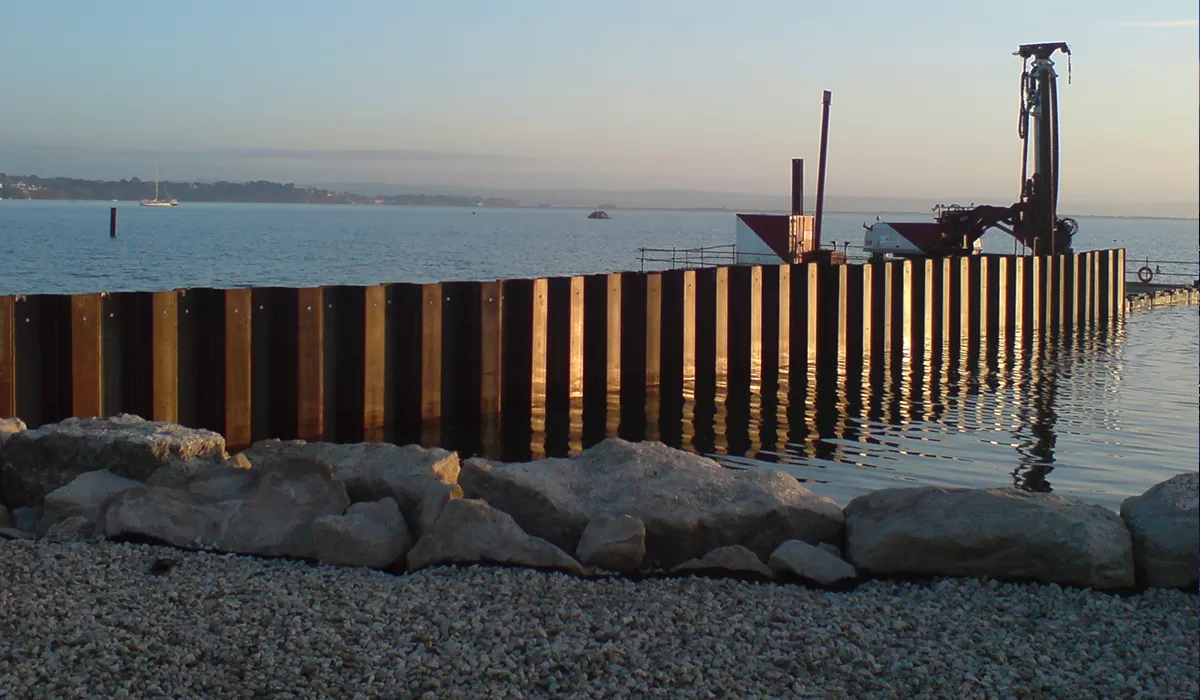
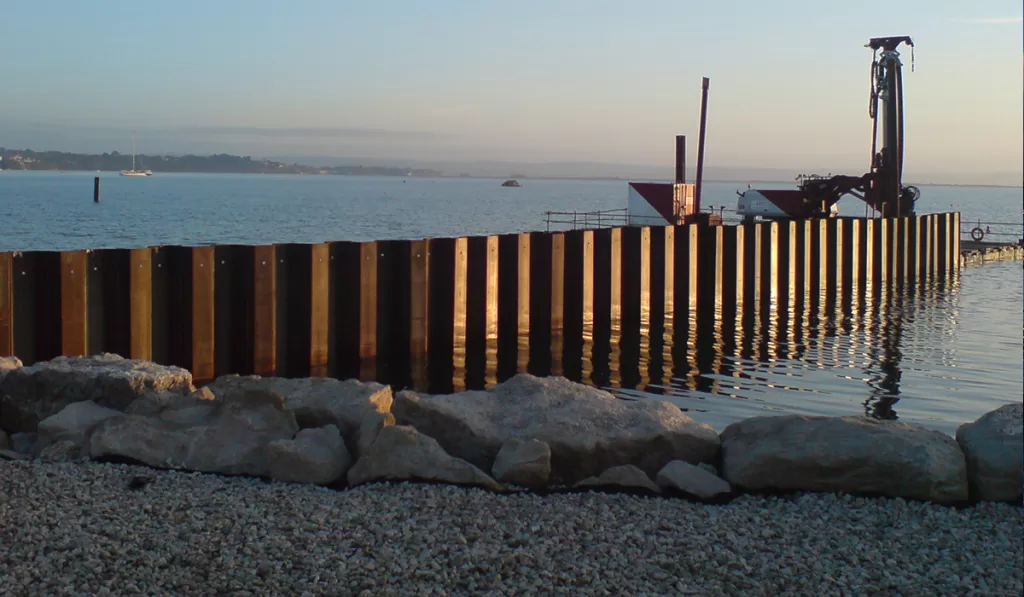
Steel sheet piles forming a cofferdam enclosure during marine piling project at Sandbanks

How to Keep a Construction Site Dry Near Water

Working near rivers, lakes, canals, or tidal areas presents one of the biggest challenges in construction: keeping the work area dry and stable. Whether you’re building foundations, basements, or infrastructure, water control is critical to safety, programme, and cost. In this guide, we explore the methods construction professionals use to keep sites dry and where sheet piling fits into the solution.


Why Water Management Matters on Construction Sites

Uncontrolled water on site can:

  • Undermine excavations and cause ground collapse

  • Delay works and increase costs

  • Lead to environmental risks through contamination or silt run-off

  • Create unsafe working conditions

Planning water control is as important as planning the structure itself. The method must suit ground conditions, water levels, and the nature of the works. Poor planning at this stage often leads to reactive measures that are more costly and less effective.


Common Methods to Keep Sites Dry Near Water

Dewatering Systems

Pumping systems are used to lower groundwater or remove water that enters the excavation. These systems may include well points, sump pumps, or deep wells. While useful, dewatering alone often struggles to control water in highly permeable soils or where water pressure is significant. It is generally most effective when combined with physical barriers.

Earth Bunds and Sandbags

Earth bunds or sandbags provide basic water diversion but are typically only suited for small-scale or emergency applications. They offer limited protection and require regular maintenance to remain effective, especially during prolonged wet weather.

Cofferdams

Cofferdams provide a dry working area within or adjacent to a watercourse. The most reliable cofferdams are formed from interlocking steel sheet piles driven into the ground. Once enclosed, the area is dewatered and work proceeds safely inside. Cofferdams are essential for bridge works, marine infrastructure, outfalls, and repairs to existing structures below water level.

Temporary Retaining Walls

Temporary retaining walls provide both soil and water support during excavation. Steel sheet piles are a preferred material because they create a tight seal, can be installed with low vibration if needed, and can be extracted for reuse.

Cut-off Walls

Cut-off walls act as underground barriers to stop or divert groundwater flow. Sheet piles are commonly used for cut-off walls because they can be driven deep enough to penetrate through permeable soil layers and prevent seepage beneath the excavation.


How Sheet Piling Helps Keep Sites Dry

Sheet piling provides a continuous, interlocked steel barrier that prevents water from seeping into excavations or work zones. Piles can be driven to cut off groundwater at depth, supporting dewatering systems and protecting adjacent structures.

Advantages of using sheet piles for water control:

  • Fast installation keeps programmes on schedule

  • Reusable for temporary works, offering cost and sustainability benefits

  • Ideal for restricted or urban sites using silent or low-vibration methods

  • Provides robust protection against both water ingress and soil movement

Sheet piles can be installed in advance of excavation to stabilise the site and reduce risk from unexpected water ingress.


When to Consider Sheet Piling for Water Control

  • Building near rivers, canals, or tidal zones

  • Excavating below the water table

  • Constructing basements or tanks where water ingress is a concern

  • Bridge and marine works requiring cofferdams

  • Sites where dewatering alone cannot manage groundwater flow

  • Locations with soft or unstable ground needing firm edge support


Additional Environmental and Safety Considerations

Water control works near watercourses require careful planning to avoid environmental harm. Silt management, pollution prevention measures, and compliance with permits such as flood risk activity consents are essential. Sheet piling can help meet these goals by forming a controlled barrier that limits water movement and reduces turbidity. Safety is also key – clear exclusion zones, edge protection, and emergency response plans are part of any well-managed water control operation.


The Importance of Early Planning for Water Management

Early involvement of piling specialists can make a major difference in selecting the right method for water control. Bringing in expertise at the design stage allows for accurate assessment of risks, efficient sequencing of works, and integration of water control with other site activities. This helps avoid costly changes and delays later in the programme.


Final Thoughts

Keeping a construction site dry near water is essential for safety and success. Sheet piling offers a practical, proven solution that supports both temporary and permanent water management. If you’re planning a project near water, involving piling specialists early can help you choose the best approach.

Contact Steel Piling Solutions for advice on sheet piling for water control:
📞 01425 489600
📧 admin@steelpilingsolutions.com
💻 https://steelpilingsolutions.com/contact/