Sheet Piling Contractors | Steel Piling Solutions

What Are Sheet Piles?
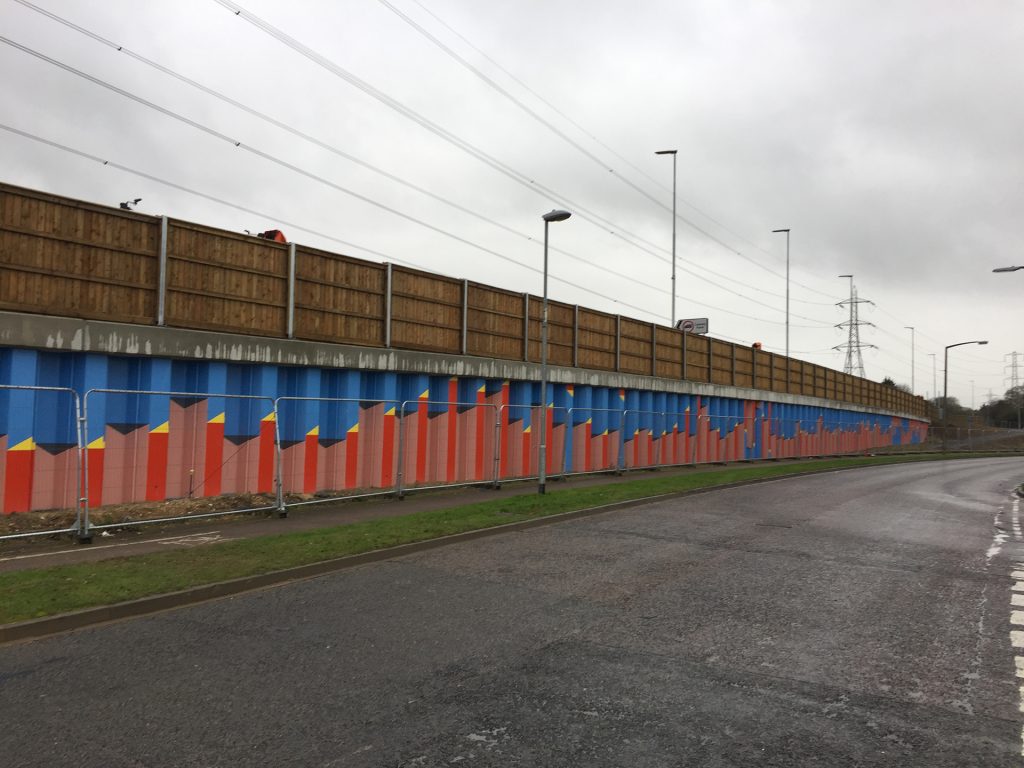
Sheet piles are long, interlocking sections of steel, precast concrete, or sometimes timber that are driven vertically into the ground to form continuous barriers. They are typically used for retaining walls, flood defences, cofferdams, and excavation support.
Advantages of Sheet Piles
1. High Strength and Durability
One of the main advantages of sheet piles is their ability to withstand high loads and pressures, especially in deep excavations and marine environments. Steel sheet piles, in particular, are designed for longevity and resilience.
Capable of handling heavy earth and water pressures
Resistant to bending and shearing forces
Steel piles can last decades with proper protection
2. Speed and Ease of Installation
Sheet piles can be installed quickly using vibratory hammers, impact hammers, or pressing rigs. This makes them ideal for projects that require rapid mobilisation.
Reduced construction time compared with cast in situ retaining systems
Can be installed in a variety of soil conditions
Minimal excavation needed, saving space on site
3. Reusability and Sustainability
A significant advantage is that sheet piles can be extracted and reused on other projects, making them a cost-effective and sustainable option.
Steel sheet piles are 100% recyclable
Can be reused multiple times without losing strength
Lower overall lifecycle costs compared with concrete walls
4. Effective in Waterlogged Conditions
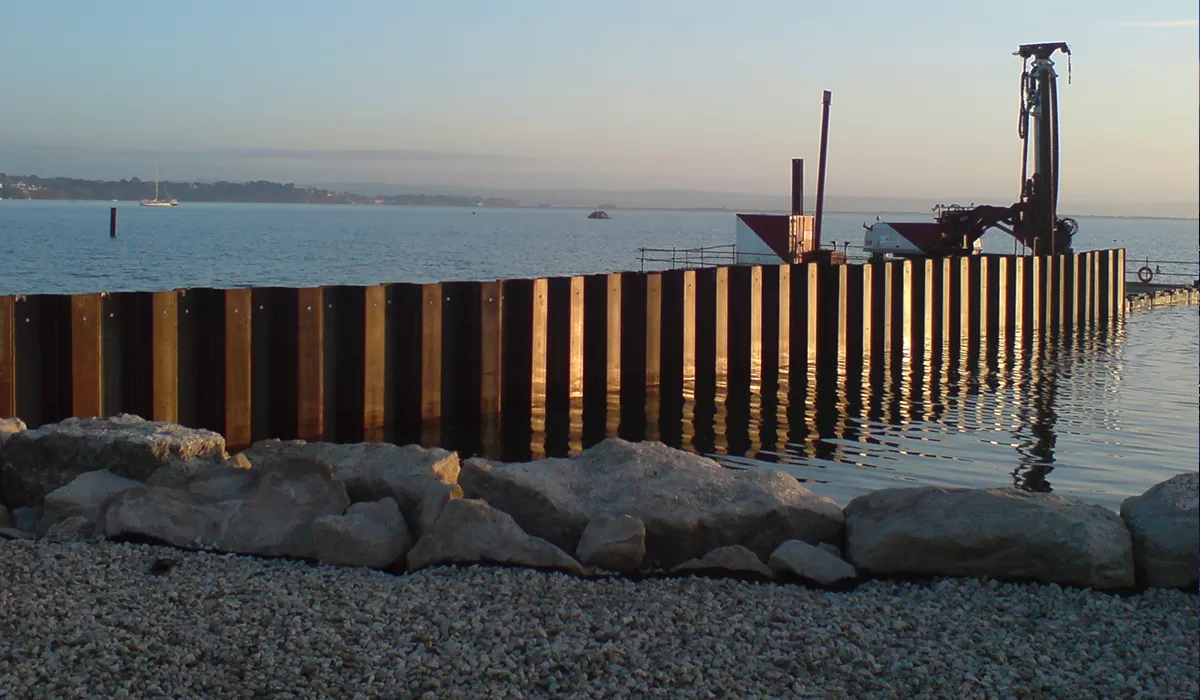
Sheet piles are commonly used in marine construction, flood defence, and areas with a high water table. Their interlocking design provides strong resistance to water ingress.
Suitable for cofferdams and riverbank stabilisation
Used in quay walls, harbour works, and canals
Reduces the need for dewatering during excavation

5. Space Efficiency in Urban Areas
In cities and restricted sites, sheet piles allow vertical excavation without taking up valuable space.
Minimal footprint compared with battered slopes or gravity walls
Useful for basements, underground car parks, and cut-and-cover tunnels
Provides maximum usable space within tight boundaries
6. Versatility in Application
Sheet piles are used across a wide range of sectors and project types.
Typical Applications Include:
Basement and underground car park construction
Road and rail embankments
Flood protection and coastal defence
Riverbank stabilisation
Bridge abutments
Port and harbour works
Types of Sheet Piles
There are different materials and profiles to suit varying site conditions.
| Type | Description | Best For |
|---|---|---|
| Steel | Most common, strong interlocks, high durability | Deep excavations, marine projects, long-term structures |
| Concrete | Precast or prestressed, heavier than steel | Permanent retaining walls, aggressive environments |
| Timber | Economical but less durable | Temporary works, small-scale projects |
| Vinyl/Composite | Lightweight, corrosion resistant | Waterfront landscaping, light retaining needs |
Disadvantages of Sheet Piles
While sheet piles are highly effective, they are not suitable for every situation.
1. Noise and Vibration During Installation
Vibratory and impact driving methods can cause disturbance to nearby residents or structures
Press-in techniques reduce this issue but are slower and more costly
2. Difficulties in Very Hard Ground
Rock or dense gravels may prevent sheet piles from being driven effectively
Pre-augering or pre-drilling may be required, increasing costs
3. Corrosion Risks
Steel sheet piles are prone to corrosion if not properly coated or protected
Cathodic protection and protective coatings are often necessary in marine environments
4. Higher Upfront Costs for Steel
While reusable, initial purchase costs for steel sheet piles can be significant compared with mass concrete
Advantages vs Disadvantages of Sheet Piles
| Advantages | Disadvantages |
|---|---|
| High strength and durability, especially in deep excavations and marine environments | Installation can be noisy and cause vibration, which may disturb nearby structures or residents |
| Quick installation using vibratory, impact, or press-in rigs | Not suitable for very dense soils, boulders, or rock without pre-drilling |
| Reusable and recyclable, offering long-term cost savings | Steel piles are at risk of corrosion in aggressive environments if not protected |
| Effective in waterlogged and marine conditions due to watertight interlocks | Higher initial cost for steel compared with some alternatives |
| Minimal site footprint, ideal for urban and confined sites | Requires specialist equipment and skilled operators |
| Versatile applications across temporary and permanent works | Press-in installation (low vibration) is slower and more expensive |
| Reduces need for excavation support and dewatering | Long-term aesthetics may be less desirable compared with concrete walls |
When to Consider Sheet Piles
Sheet piles are best considered when:
The project is close to water or in waterlogged ground
Excavation depth is large and stability is critical
Space is limited in urban or confined areas
Temporary works require reusable solutions
Speed of construction is a priority
When Sheet Piles May Not Be Suitable
Sheet piles may not be the right choice if:
The ground is too dense or rocky to allow installation
Noise and vibration restrictions prevent driving methods
Long-term aesthetics are a key concern (concrete walls may be preferred)
Costs outweigh the benefits for very small-scale projects
Comparison: Sheet Piles vs Alternative Retaining Methods
| Factor | Sheet Piles | Concrete Retaining Walls | Gravity Slopes |
|---|---|---|---|
| Installation Speed | Fast | Slower | Moderate |
| Reusability | High | Low | N/A |
| Water Resistance | Excellent | Moderate | Poor |
| Space Efficiency | High | Moderate | Low |
| Suitability for Hard Ground | Limited | Good | Good |
Conclusion
Sheet piles provide an effective, durable, and versatile solution for retaining walls, especially in waterlogged areas, deep excavations, and urban environments. Their advantages include high strength, rapid installation, sustainability through reusability, and excellent performance in marine conditions.
However, they are not always the right option. Noise, vibration, corrosion, and difficulties in hard ground can present challenges. Choosing sheet piles should always be based on site-specific factors and project requirements.
For construction professionals, understanding both the advantages and the limitations of sheet piles is essential to making the right choice for long-term performance and value.