How Long Do Sheet Piles Last?

How Long Do Sheet Piles Last?

Sheet piles are designed to provide long-term strength and stability, and in most projects, properly installed steel sheet piles can last 40–75 years. With the right design, coatings, and protection, that lifespan can extend well beyond 100 years in permanent works such as flood defences or retaining walls. Other materials, such as vinyl and timber, have different lifespans depending on where they are used.

Understanding the typical service life of sheet piles helps project managers and engineers make the right choice for both temporary and permanent works.

The Lifespan of Different Sheet Pile Materials

Not all sheet piles are the same. Lifespan varies by material, and each type has advantages in different project environments.

Steel Sheet Piles

Steel sheet piles remain the most widely used solution in the UK. They are strong, versatile, and suitable for both temporary and permanent works. When designed correctly, steel piles last 40–75 years in inland conditions. In aggressive marine or tidal environments, that figure can reduce without protection, but with sacrificial thickness, coatings, or cathodic protection, service life can exceed 100 years.

Vinyl or Plastic Sheet Piles

Vinyl sheet piles do not corrode and can last 50 years or more. They are lightweight and easy to handle, making them popular for landscaping, erosion control, and canal or riverbank works. However, they are not suitable for heavy structural retaining walls where high load capacity is required.

Timber Sheet Piles

Timber piles are rarely specified today except for temporary works or freshwater conditions. Treated timber may last 20–30 years in benign environments, but untreated timber degrades much faster and is not suitable for long-term or high-load applications.

Comparison Table: Lifespan of Sheet Piles

MaterialTypical LifespanNotes
Steel40–75 years (100+ with protection)Most common material. Suitable for heavy-duty and permanent structures. Lifespan extended with coatings and cathodic protection.
Vinyl / Plastic50+ yearsCorrosion-free. Used for light-duty applications such as landscaping, riverbanks, and erosion control. Not suitable for high loads.
Timber20–30 years (treated)Limited modern use. Works best in freshwater. Not reliable for marine or permanent high-load applications.

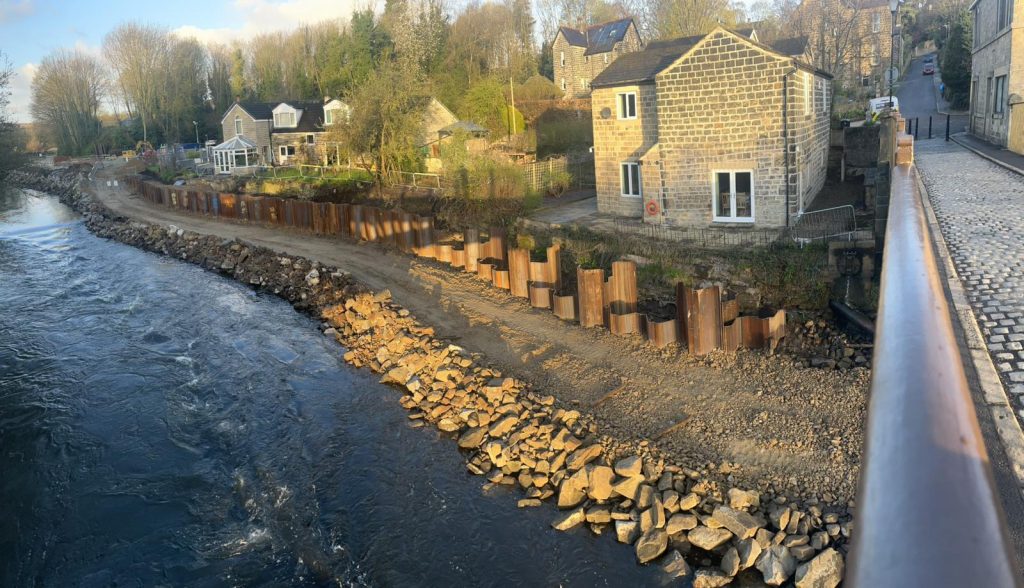
Flood Defence in Shebdon Canal

Can Sheet Piles Be Permanent?

Yes. While sheet piles are often associated with temporary applications like cofferdams or excavation support, they are also a proven permanent solution.

Permanent Applications

  • Flood defence walls

  • Retaining walls for infrastructure and highways

  • Basement construction

  • Quay walls and marine structures

For permanent works, engineers design piles with a service life of 50–120 years, using corrosion allowances and protective systems. This makes them one of the most durable and cost-effective retaining solutions available.

Do Sheet Piles Rust?

Corrosion is one of the most common concerns for steel structures. The truth is that yes, steel sheet piles do rust, but it is a slow and manageable process.

Corrosion Rates in Different Environments

  • Inland soils: Low corrosion rates; piles can last decades without heavy protection.

  • Freshwater environments: Moderate rates; coatings recommended for longer life.

  • Marine and tidal conditions: High rates of corrosion. Without protection, lifespan is reduced, but sacrificial thickness or cathodic protection ensures long service life.

Protection Methods

  • Coatings such as bitumen, epoxy, or polyurethane extend lifespan.

  • Sealants applied to interlocks prevent seepage and reduce corrosion at joints.

  • Cathodic protection (an electrical current or sacrificial anode system) is used in marine works to slow or stop corrosion.

  • Sacrificial thickness is designed into the steel so some corrosion can occur without affecting long-term strength.

Are Sheet Piles Watertight?

A common misconception is that sheet piles create a fully watertight barrier. In reality, sheet piles reduce water flow but are not completely watertight on their own.

Standard Interlocks

The joints or interlocks between piles naturally limit seepage, but small amounts of water can pass through.

Enhancing Watertightness

To achieve watertightness in critical applications, contractors use:

  • Bituminous sealants for general seepage control

  • Polyurethane sealants for more resilient performance

  • Hydrophilic compounds, which swell on contact with water, ensuring a tight seal in flood defences or basements

Correct installation and alignment are just as important as sealants in achieving water control.

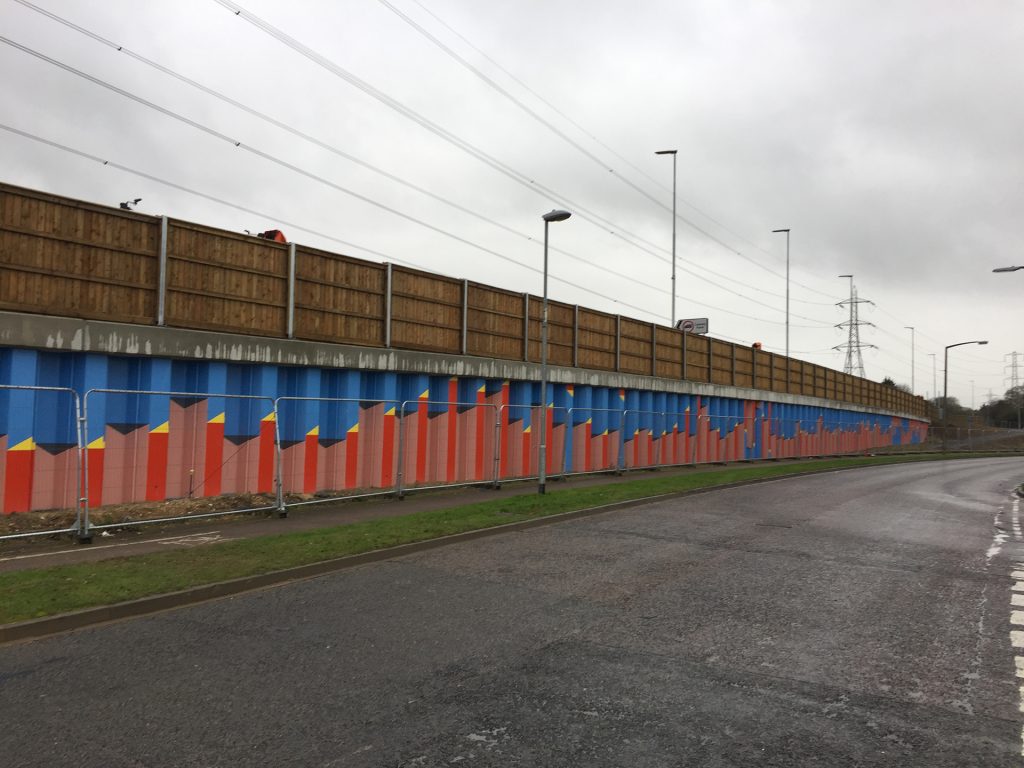
Steel sheet pile retaining wall constructed along M25 motorway for slope stabilisation

Installation and Its Impact on Lifespan

The quality of installation plays a key role in how long sheet piles last. Poor installation can damage protective coatings, misalign interlocks, or cause unnecessary stress to the steel.

Driving Methods

  • Vibratory hammers: Fast and efficient in granular soils.

  • Impact hammers: Used where refusal is an issue, though care is needed to avoid overstressing piles.

  • Movax side-grip piling: Allows precise placement and safer handling, especially in restricted spaces.

  • Silent piling systems: Press-in technology ideal for vibration-sensitive or urban sites.

Risks to Avoid

  • Scraping or damaging coatings during installation

  • Over-driving piles, causing cracks or stress fractures

  • Poor alignment, leading to gaps in interlocks and reduced water control

Using the right rig and method for the ground conditions helps protect lifespan and performance.

Can Sheet Piles Be Reused?

Yes, but only in temporary works.

Temporary Reuse

Sheet piles are often extracted at the end of a project and reused multiple times. Provided they are not heavily corroded or damaged, they remain structurally sound. This makes them a cost-effective and sustainable option for contractors.

Permanent Works

In permanent retaining walls, basements, or flood defences, piles are not removed. Instead, they are designed to last for the full service life of the structure.

What Are the Disadvantages of Sheet Piles?

Although sheet piles are versatile and durable, they are not without limitations.

Ground Conditions

  • Not suitable for very hard rock without pre-augering or specialist techniques

  • Driving in dense gravel or cobbles may require pre-drilling

Cost Factors

  • Protective coatings and cathodic protection increase upfront cost

  • Marine works are more expensive due to higher corrosion risks

Environmental Concerns

  • Noise and vibration from impact or vibro driving can cause disruption in urban areas (though silent piling mitigates this issue)

Despite these challenges, sheet piling remains one of the most effective and long-lasting methods for retaining structures. You can learn more about the advantages and disadvantages of sheet piling in our previous blog. 

Designing for Longevity

To ensure sheet piles last as long as possible, engineers take a range of measures at the design stage.

Engineering Best Practices

  • Choosing the correct steel grade for strength and durability

  • Applying protective coatings during manufacturing

  • Adding sacrificial thickness for corrosion allowance

  • Designing interlocks for watertightness

  • Including cathodic protection in aggressive marine environments

Maintenance and Inspection

Permanent sheet pile walls benefit from periodic checks of:

  • Exposed pile heads for corrosion or damage

  • Sealant condition in interlocks

  • Welds and connections in capped structures

Preventative maintenance adds decades to service life.

Conclusion

So, how long do sheet piles last? The answer depends on the material and environment, but steel sheet piles reliably last 40–75 years, and with protective measures can exceed 100 years in permanent works. Vinyl piles offer long life in lighter-duty applications, while timber has limited modern use.

By designing with corrosion in mind, applying the right protective systems, and ensuring expert installation, sheet pile walls can provide durable performance for decades.

Choosing the right contractor is key to achieving this. A specialist piling team will ensure the right equipment, materials, and methods are used from the outset, giving you confidence that your sheet pile wall will stand the test of time.

📩 admin@steelpilingsolutions.com

What Are the Advantages of Sheet Piles?

Painted Steel Sheet Piles along road

What Are the Advantages of Sheet Piles?

Sheet piles are one of the most widely used retaining systems in modern construction. They provide a practical and effective way to create strong, watertight, and space-efficient retaining walls in civil engineering and infrastructure projects. Whether on land or near water, sheet piles offer many advantages, but like all solutions, they also come with limitations.

This guide explains the benefits of sheet piles, the situations where they are most effective, the different types available, and the factors to consider before choosing them. We will also cover potential disadvantages to provide a balanced view.

What Are Sheet Piles?

Sheet piles are long, interlocking sections of steel, precast concrete, or sometimes timber that are driven vertically into the ground to form continuous barriers. They are typically used for retaining walls, flood defences, cofferdams, and excavation support.

Advantages of Sheet Piles

1. High Strength and Durability

One of the main advantages of sheet piles is their ability to withstand high loads and pressures, especially in deep excavations and marine environments. Steel sheet piles, in particular, are designed for longevity and resilience.

  • Capable of handling heavy earth and water pressures

  • Resistant to bending and shearing forces

  • Steel piles can last decades with proper protection

2. Speed and Ease of Installation

Sheet piles can be installed quickly using vibratory hammers, impact hammers, or pressing rigs. This makes them ideal for projects that require rapid mobilisation.

  • Reduced construction time compared with cast in situ retaining systems

  • Can be installed in a variety of soil conditions

  • Minimal excavation needed, saving space on site

3. Reusability and Sustainability

A significant advantage is that sheet piles can be extracted and reused on other projects, making them a cost-effective and sustainable option.

  • Steel sheet piles are 100% recyclable

  • Can be reused multiple times without losing strength

  • Lower overall lifecycle costs compared with concrete walls

4. Effective in Waterlogged Conditions

Sheet piles are commonly used in marine construction, flood defence, and areas with a high water table. Their interlocking design provides strong resistance to water ingress.

  • Suitable for cofferdams and riverbank stabilisation

  • Used in quay walls, harbour works, and canals

  • Reduces the need for dewatering during excavation

5. Space Efficiency in Urban Areas

In cities and restricted sites, sheet piles allow vertical excavation without taking up valuable space.

  • Minimal footprint compared with battered slopes or gravity walls

  • Useful for basements, underground car parks, and cut-and-cover tunnels

  • Provides maximum usable space within tight boundaries

6. Versatility in Application

Sheet piles are used across a wide range of sectors and project types.

Typical Applications Include:

  • Basement and underground car park construction

  • Road and rail embankments

  • Flood protection and coastal defence

  • Riverbank stabilisation

  • Bridge abutments

  • Port and harbour works

Types of Sheet Piles

There are different materials and profiles to suit varying site conditions.

TypeDescriptionBest For
SteelMost common, strong interlocks, high durabilityDeep excavations, marine projects, long-term structures
ConcretePrecast or prestressed, heavier than steelPermanent retaining walls, aggressive environments
TimberEconomical but less durableTemporary works, small-scale projects
Vinyl/CompositeLightweight, corrosion resistantWaterfront landscaping, light retaining needs

Disadvantages of Sheet Piles

While sheet piles are highly effective, they are not suitable for every situation.

1. Noise and Vibration During Installation

  • Vibratory and impact driving methods can cause disturbance to nearby residents or structures

  • Press-in techniques reduce this issue but are slower and more costly

2. Difficulties in Very Hard Ground

  • Rock or dense gravels may prevent sheet piles from being driven effectively

  • Pre-augering or pre-drilling may be required, increasing costs

3. Corrosion Risks

  • Steel sheet piles are prone to corrosion if not properly coated or protected

  • Cathodic protection and protective coatings are often necessary in marine environments

4. Higher Upfront Costs for Steel

  • While reusable, initial purchase costs for steel sheet piles can be significant compared with mass concrete

Advantages vs Disadvantages of Sheet Piles

AdvantagesDisadvantages
High strength and durability, especially in deep excavations and marine environmentsInstallation can be noisy and cause vibration, which may disturb nearby structures or residents
Quick installation using vibratory, impact, or press-in rigsNot suitable for very dense soils, boulders, or rock without pre-drilling
Reusable and recyclable, offering long-term cost savingsSteel piles are at risk of corrosion in aggressive environments if not protected
Effective in waterlogged and marine conditions due to watertight interlocksHigher initial cost for steel compared with some alternatives
Minimal site footprint, ideal for urban and confined sitesRequires specialist equipment and skilled operators
Versatile applications across temporary and permanent worksPress-in installation (low vibration) is slower and more expensive
Reduces need for excavation support and dewateringLong-term aesthetics may be less desirable compared with concrete walls

When to Consider Sheet Piles

Sheet piles are best considered when:

  • The project is close to water or in waterlogged ground

  • Excavation depth is large and stability is critical

  • Space is limited in urban or confined areas

  • Temporary works require reusable solutions

  • Speed of construction is a priority

When Sheet Piles May Not Be Suitable

Sheet piles may not be the right choice if:

  • The ground is too dense or rocky to allow installation

  • Noise and vibration restrictions prevent driving methods

  • Long-term aesthetics are a key concern (concrete walls may be preferred)

  • Costs outweigh the benefits for very small-scale projects

Comparison: Sheet Piles vs Alternative Retaining Methods

FactorSheet PilesConcrete Retaining WallsGravity Slopes
Installation SpeedFastSlowerModerate
ReusabilityHighLowN/A
Water ResistanceExcellentModeratePoor
Space EfficiencyHighModerateLow
Suitability for Hard GroundLimitedGoodGood

Conclusion

Sheet piles provide an effective, durable, and versatile solution for retaining walls, especially in waterlogged areas, deep excavations, and urban environments. Their advantages include high strength, rapid installation, sustainability through reusability, and excellent performance in marine conditions.

However, they are not always the right option. Noise, vibration, corrosion, and difficulties in hard ground can present challenges. Choosing sheet piles should always be based on site-specific factors and project requirements.

For construction professionals, understanding both the advantages and the limitations of sheet piles is essential to making the right choice for long-term performance and value.

How to Choose the Right Sheet Piling Contractor for Your Project

Giken Supercrush installing Sheet Piles

How to Choose the Right Sheet Piling Contractor for Your Project

Selecting the right sheet piling contractor can make the difference between a smooth, efficient project and one riddled with delays, cost overruns, or performance issues. With multiple companies offering piling services across the UK, construction professionals need to know what to look for — and what to avoid — when appointing a specialist.

This guide sets out the key factors to consider when choosing a sheet piling contractor, from their expertise and equipment to their ability to deliver nationwide.

Specialist vs Generalist

One of the first distinctions is whether you are dealing with a specialist sheet piling contractor or a general construction company that subcontracts piling works.

  • Specialist contractors focus exclusively on sheet piling and related temporary works. They own and operate their own rigs, employ experienced operatives, and can adapt quickly to site conditions.

  • General contractors may list piling among their services but often outsource the work. This can create additional layers of cost, reduce accountability, and complicate communication.

Quick Comparison

FactorSpecialist Sheet Piling ContractorGeneral Contractor / Subcontracting
Core expertiseDedicated to sheet pilingGeneral works, piling outsourced
EquipmentOwns and operates rigsOften reliant on hired plant
AccountabilityDirect responsibilityShared or unclear
FlexibilityCan adapt methods on-siteLimited by subcontract availability
Cost controlTransparent, in-house ratesExtra overheads and mark-ups

Experience and Track Record

Every site is different, and sheet piling often involves working in demanding conditions such as:

  • Riverbanks and flood defence schemes

  • Rail and highway embankments

  • Urban brownfield sites with buried obstructions

  • Tight-access residential or commercial developments

The right contractor should be able to demonstrate relevant case studies and a portfolio of projects across these environments. A proven track record is your best assurance that they can manage unexpected challenges without compromising quality or programme.

Equipment and Methods

Modern sheet piling requires flexible installation techniques. Common methods include:

  • Vibratory hammers – for rapid and efficient driving

  • Silent piling (Giken Press-in) – where vibration must be minimised

  • Movax systems – for versatile, smaller or restricted-access sites

  • Pre-augering equipment – to tackle dense soils and buried obstructions

Key question: Does the contractor own and maintain their equipment, or are they dependent on plant hire?

  • In-house machinery means better availability, more control over costs, and reduced programme risk.

  • Hired equipment may introduce delays if availability is limited.

Nationwide Capability

If your business delivers projects in different regions, nationwide coverage is a major advantage. Contractors with a national presence can:

  • Mobilise quickly across multiple areas

  • Maintain consistent standards and crews

  • Provide reliable plant availability wherever the project is located

A local-only contractor may be strong in their region but struggle to support projects further afield.


Safety, Standards, and Accreditation

Safety and compliance are non-negotiable. A credible sheet piling contractor should hold recognised accreditations such as:

  • CHAS or Constructionline

  • RISQS for rail-related works

  • ISO certifications (9001, 14001, 45001)

Also assess:

  • Temporary works design capability

  • Quality of RAMS (Risk Assessments & Method Statements)

  • Directly employed, trained operatives versus agency labour

Strong accreditation is a sign of robust systems and a contractor that takes responsibility seriously.

Communication and Collaboration

Even with the best planning, site conditions can change. A reliable sheet piling contractor will:

  • Provide clear updates and progress reporting

  • Work closely with engineers and site managers

  • Offer solutions rather than delays when challenges arise

Effective communication ensures projects run to programme and avoid unnecessary disputes.


Red Flags to Watch Out For

When assessing potential contractors, be cautious if you encounter:

  • Heavy reliance on subcontractors

  • No clear evidence of in-house equipment

  • Generic or “one-size-fits-all” method statements

  • Poor safety record or missing accreditations

  • Quotes far below market rate — often masking hidden costs or inexperience


Making the Right Choice

Choosing the right sheet piling contractor comes down to balancing capability, accountability, and trust. The best contractor is one who:

  • Specialises in sheet piling as a core service

  • Owns and operates their own rigs

  • Demonstrates a proven track record across multiple sectors

  • Works to accredited safety and quality standards

  • Can deliver nationwide with reliable mobilisation

At Steel Piling Solutions, we’re expert sheet piling contractors who have been delivering sheet piling projects across the UK and Ireland for over 30 years. With specialist equipment, directly employed operatives, and a reputation for precision and reliability, we provide the assurance construction professionals need on complex projects.